
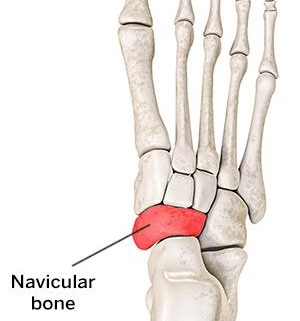
Accessory Navicular Problems
Overview of Accessory Navicular Problems
The foot is a complex structure, composed of multiple bones, and one lesser-known bone is the accessory navicular. Not everyone has this extra bone, but those who do may experience discomfort or pain, known as accessory navicular problems or syndrome. This condition is relatively rare, affecting about 2 to 14 percent of the population.
Accessory navicular problems arise when the accessory navicular bone becomes irritated or injured. It’s a long-term condition that can affect individuals of all ages but is typically diagnosed in adolescence, when bones mature, and foot pain starts to surface.
Types of Accessory Navicular Problems
There are generally three types of accessory navicular bones, each with unique characteristics:
1. Type 1 – Os Tibiale Externum: A relatively small, isolated bone just above the arch on the inside of the foot.
2. Type 2 – Triangular or Heart-Shaped Bone: This type of accessory navicular bone is connected to the navicular bone by fibrous tissue and is the most common type associated with accessory navicular problems.
3. Type 3 - Prominent Navicular Tuberosity: This is essentially an enlarged navicular bone, rather than an additional accessory bone.
Type 2 is most often linked to accessory navicular problems.
Causes of Accessory Navicular Problems
While the exact cause of accessory navicular problems remains unknown, several factors could contribute to the onset of this condition. These include trauma (such as a foot or ankle injury), excessive athletic activity, flat feet, or overpronation (when the ankle rolls inward while walking or running). Genetic factors might also play a role, as the accessory navicular bone is often a inherited trait.
Symptoms of Accessory Navicular Problems
Some people with an accessory navicular bone experience no symptoms. However, when symptoms do occur, they might include:
– Pain in the mid-foot, specifically in the inner arch or the middle of the foot
– Swelling and redness in the affected area, particularly after physical activity
– Difficulty walking or participating in other physical activities
– Visible or palpable lump in the middle of the foot
– Flat feet
Diagnosis of Accessory Navicular Problems
If accessory navicular problems are suspected, a comprehensive physical examination will be conducted by a doctor. This may include palpation (touching and examining the area manually), asking about your symptoms, and considering your medical history.
To confirm the diagnosis, the doctor might order imaging tests such as X-rays, MRI scans, or CT scans to visualize the accessory bone and assess its impact on surrounding structures.
Treatment Options for Accessory Navicular Problems
Treatment of accessory navicular problems tends to start conservatively. The key aim is to alleviate discomfort and improve foot function. conservative options include:
– Rest and ice pack application to reduce swelling
– Physical therapy to strengthen foot muscles
– Orthotic devices to correct foot position and distribute pressure evenly
– Nonsteroidal anti-inflammatory drugs (NSAIDs) for pain control
When conservative measures don’t produce desired results, the doctor might suggest surgical treatment. This typically involves removing the accessory navicular bone and potentially reconstructing the posterior tibial tendon to improve foot function.
Living with Accessory Navicular Problems
Living with accessory navicular problems involves managing symptoms and maintaining foot health. Regular exercise can help maintain foot strength and flexibility. Comfortable, correctly sized shoes contribute to foot health. Insoles or orthotics can provide additional support if needed.
Additionally, maintaining a healthy weight can alleviate excess pressure on your feet, and taking breaks from standing or walking for extended periods might also mitigate symptoms. Manage pain with over-the-counter medications as needed, but always consult with a healthcare provider for persistent or severe discomfort.
When to Seek Help for Accessory Navicular Problems
If you’re experiencing persistent foot pain, swelling, or difficulty walking, it’s important to seek medical attention. Additionally, if you’re already aware of your accessory navicular bone and symptoms worsen, don’t hesitate to consult with a medical professional.
By understanding accessory navicular problems and learning how to manage symptoms, you can maintain an active, healthy lifestyle. Remember, medical experts are there to help, and no concern is too small to consult about.


