
Ankle Fractures
Overview
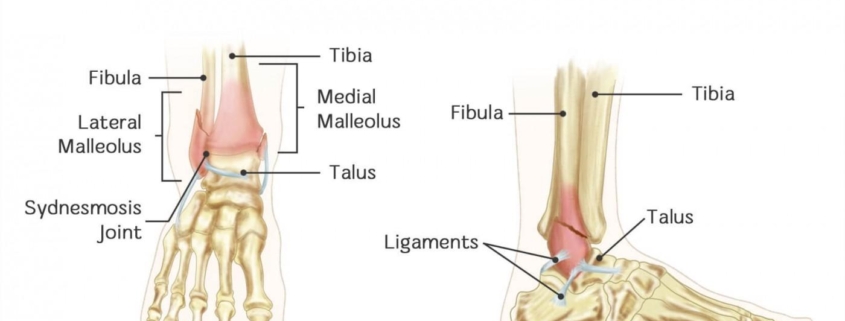
Ankle fractures are medical conditions where one or more bones that make up the ankle joint, are broken. This joint includes three bones, the tibia, fibula, and talus. Ankle fractures are relatively common, making up about 10% of all fractures. This guide will offer comprehensive information regarding ankle fractures, their types, symptoms, causes, diagnoses, and treatment options.
Types
There are several types of ankle fractures. They can be categorized according to the number of bones involved, the location of the fracture, or whether the fragments have moved (displaced).
1. Lateral malleolus fracture: This is a fracture of the fibula – the smaller bone of the lower leg.
2. Medial malleolus fracture: This refers to a fracture in the tibia at the inside of the lower leg.
3. Bimalleolar fractures: These are fractures that involve both the medial and lateral malleolus.
4. Trimalleolar fractures: All three malleoli (parts of the bones) of the ankle are broken in these fractures.
Causes
Ankle fractures can occur from various situations such as:
1. Twisting or rotating your ankle
2. Tripping or falling
3. Impact during an accident
4. Jumping or landing awkwardly from a jump
Certain factors may increase your risk of an ankle fracture such as participating in sports, aging, certain diseases like osteoporosis, and walking or running on uneven surfaces.
Symptoms
Symptoms of an ankle fracture can vary depending on the type and severity of the fracture. Common symptoms include:
1. Immediate and severe pain
2. Inability to move the ankle
3. Swelling and bruising
4. Deformity of the ankle
Less common symptoms may include numbness or tingling sensation around the ankle and foot due to nerve damage.
Diagnosis
Ankle fractures are typically diagnosed through physical examination and imaging tests. Doctors may ask about the patient’s symptoms and how the injury occurred. They then examine the ankle for swelling, deformity, and tenderness. Imaging tests, like X-rays and MRI scans, are used to confirm the diagnosis and assess the severity of the fracture.
Treatment Options
Treatment of ankle fractures depends on the type and severity of the fracture. It can be non-surgical or surgical.
• Non-Surgical Treatment: For less severe fractures, treatment involves rest, ice, compression, and elevation (RICE). Doctors may also use a cast or splint to prevent movement and aid healing.
• Surgical Treatment: For more severe fractures, surgery may be needed to realign the bones and fix them in place using metal plates and screws.
Living With Ankle Fractures
Living with an ankle fracture requires patience and positive lifestyle changes:
1. Activity Modification: Avoid activities that cause pain and swelling.
2. Physical Therapy: Exercises to restore strength and range of motion are critical in the recovery phase.
3. Medication Management: Over-the-counter pain relievers can help manage pain, but must be used as directed by a healthcare provider.
When to Seek Help
Seek immediate medical attention if you have severe pain, deformity of your ankle, cannot move your ankle, or if the pain is not reducing even with medication. Ankle fractures can be serious, and require proper medical care for proper healing and recovery.


