
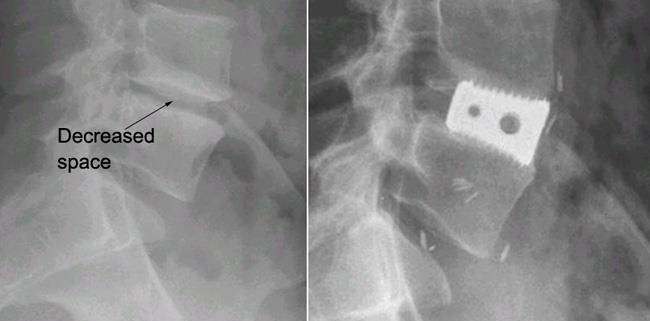
Anterior Lumbar Interbody Fusion
Overview
Anterior Lumbar Interbody Fusion (ALIF) is an innovative surgical procedure primarily focused in relieving back pain, and correcting spinal disorders. It involves removing a damaged disc in the lower back (lumbar region), replacing it with an artificial disc, and then fusing the vertebrae on either side to promote healing. It is a common approach to address various health issues, such as disc degeneration, spinal deformities, and instability related to the lower spine.
Types
While ‘Anterior Lumbar Interbody Fusion’ refers to one specific surgical procedure, there are different variations based on the precise technique used to access the spine. These include:
1. Traditional ALIF: Here, the surgeon makes a large incision in the abdomen to access the spine.
2. Minimally Invasive ALIF (MIS ALIF): The procedure is performed via a small incision, resulting in potentially less muscle damage, less postoperative pain, and a faster recovery.
Causes
The reasons for undergoing an Anterior Lumbar Interbody Fusion generally involve conditions that impact the lower back’s health and functionality. This includes:
– Degenerative disc disease: This occurs when the cushioning discs between the vertebrae begin to wear down due to aging or injury.
- Spinal deformities: Conditions such as scoliosis, lordosis, or kyphosis can disrupt the spine’s healthy curvature.
– Spinal instability: This can result from conditions like spondylolisthesis, where one vertebral bone slips forward onto the bone below.
– Chronic lower back pain unresponsive to conservative treatment methods.
Symptoms
Patients who may benefit from an Anterior Lumbar Interbody Fusion typically experience the following symptoms:
– Chronic lower back pain
– Sciatica or leg pain
– Numbness or weakness in the legs or feet
– Difficulty standing or walking
– Loss of bladder or bowel control in severe cases
Diagnosis
The diagnosis leading to an ALIF procedure typically involves a comprehensive assessment. The doctor will take a complete medical history, conduct a physical examination, and most likely order imaging tests like X-rays, CT scans, or MRI to gain a detailed view of the spine’s condition. In some instances, nerve conduction studies may also be conducted to ascertain the nerves’ functionality.
Treatment Options
Prior to considering surgery such as an ALIF, healthcare providers will typically exhaust conservative treatment options, which may include:
– Physical therapy
– Pain management strategies
– Nonsteroidal anti-inflammatory drugs (NSAIDs)
– Epidural steroid injections
When these treatments do not provide sufficient relief, surgical intervention in the form of Anterior Lumbar Interbody Fusion might be recommended.
Living With Anterior Lumbar Interbody Fusion
Post-surgery, patients will be advised on the best practices to facilitate effective healing and recovery. This typically includes:
– Regular follow-ups with the surgeon
– Physical therapy to restore strength and mobility
– Pain management strategies, including medication
– Recommended changes to daily activities and lifestyle habits
Living with an ALIF does require some adjustment, but many patients experience a significant reduction in pain and an enhanced quality of life post recovery.
When to Seek Help
If you’re experiencing persistent or worsening lower back pain, numbness, or weakness in the legs, or have difficulty standing or walking, it’s crucial to seek medical advice immediately. It’s especially crucial if these symptoms begin affecting your daily life or persist despite trying conservative treatment methods. This may be an indication that surgical intervention like an Anterior Lumbar Interbody Fusion might be necessary to restore spinal health. Please note, it’s important to seek immediate medical help if you experience loss of bladder or bowel control, which can be a sign of a severe condition called cauda equina syndrome.


