
Artificial Hip Dislocation Precautions
Overview
Artificial hip dislocation refers to a condition where the prosthetic ball and socket of the hip joint separate, causing serious discomfort and difficulty in movement. It is a relatively common complication after hip replacement surgery, with an estimated 2-5% of patients experiencing it. Nevertheless, there are precautions patients can take to reduce their risk.
Types
While artificial hip dislocation generally refers to the separation of artificial hip components, the dislocation can occur in different directions:
– Anterior dislocation: Displacement of the prosthetic joint toward the front of the body.
– Posterior dislocation: Displacement toward the back.
The type of dislocation can influence treatment options, as well as the necessity of specific precautions.
Causes
Artificial hip dislocation can be caused by a variety of factors:
– Incorrect surgical techniques: This could be due to poor prosthesis insertion, inappropriate implant selection, or insufficient soft tissue tension.
- Adverse soft tissue conditions: This includes weak muscles surrounding the hip joint, or a lack of individual physiotherapy sessions.
– Trauma: Any sudden, forceful movement or jarring impact can cause dislocation.
Symptoms
The most common symptoms of artificial hip dislocation involve considerable pain around the hip and a decrease in the ability to move. Specific symptoms include:
– Inability to stand or walk
- An apparent leg length discrepancy
– Deformed hip area
– Severe discomfort and swelling
Diagnosis
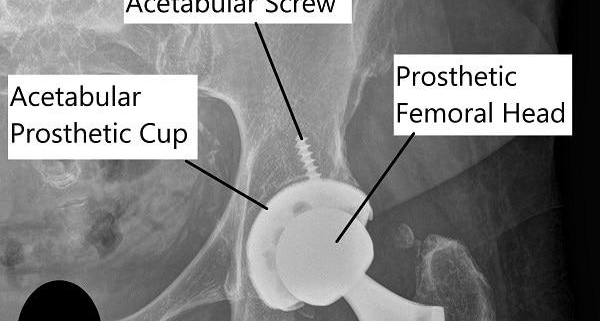
Diagnosis of artificial hip dislocation primarily involves a physical examination to confirm the dislocation and an X-ray to visualize the actual displacement. If your prosthetic hip feels different or you’re experiencing severe pain, consult a healthcare provider promptly.
Treatment Options
Treatment options for artificial hip dislocation depend on the severity and type of dislocation:
– Closed reduction: A non-operative technique of manually realigning the dislocated hip under anesthesia.
– Open reduction: A surgical procedure required when closed reduction isn’t possible or unsuccessful.
– Revision hip arthroplasty: Required when recurring dislocation occurs or severe wear, instability, or loosening of prosthetic components.
Living with Artificial Hip Dislocation Precactions
If you’ve had a hip replacement surgery, following precautions will reduce your likelihood of dislocation:
– Avoid crossing your legs: Cross-legged positions can exert force on the hip joint, causing it to dislocate.
– Limit bending at the hip: Avoid bending past 90 degrees at the hip joint which can force the ball out of its socket.
– Use assistive devices: Things like raised toilet seats, shower seats, canes, or walkers can help protect the hip.
– Practice safe movement: Not twisting at the hips and rotating in a pivot movement can prevent dislocation.
– Physical therapy: Regular exercise helps strengthen muscles around the hip, increasing stability.
When to Seek Help
Seek immediate medical help if you experience severe hip pain, changes in leg length, acute loss of the ability to move your leg, or deformation of the hip area. These signs could indicate a potential dislocation, requiring professional medical attention.
Following precautions, understanding the risks, and keeping in touch with your healthcare provider can significantly reduce the odds of hip dislocation, enabling a more comfortable and active life post-surgery.


