
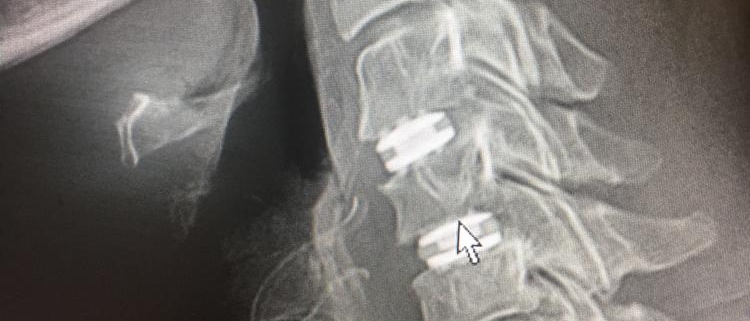
Cervical Artificial Disc Replacement
Overview of Cervical Artificial Disc Replacement
Cervical artificial disc replacement (CADR) is a surgical procedure applied to alleviate the symptoms of cervical disc degeneration. The condition affects millions worldwide, with its prevalence rising particularly among the aging population. Disc degeneration occurs when the gel-like discs between your neck bones (vertebrae) start to wear down over time, causing issues such as pain, stiffness, and mobility problems. The CADR surgery involves replacing the damaged disc with an artificial one, helping to restore normal range of motion and alleviating pain.
Types of Cervical Disc Disorders
There are several cervical disc disorders that may prompt the need for a CADR. These include:
– Degenerative Disc Disease: This is a condition where the cervical disc becomes worn or damaged due to aging or injury.
- Herniated Disc: A herniated disc occurs when the disc’s inner gel-like substance leaks into the spinal canal, which can compress the spinal cord or nerve roots causing pain.
– Cervical Stenosis: This involves the narrowing of the spinal canal in the neck area, which can put pressure on the spinal cord.
- Cervical Radiculopathy: This is a pinched nerve in the neck area, causing pain and numbness in the arms.
Common Causes of Cervical Disc Disorders
Cervical disc disorders often result from age-related wear and tear. However, other factors can hasten the process. These include:
– Trauma or injury to the neck
– Heavy lifting and highly physical activities
- Smoking
– Obesity
– Genetic predisposition
Symptoms Associated With Cervical Disc Disorders
The most common signs and symptoms of cervical disc disorders include:
– Neck pain and stiffness
– Headaches
– Pain, numbness, or weakness in the shoulders, arms, or hands
– Difficulty in maintaining balance or coordination
Diagnosing Cervical Disc Disorders
Healthcare providers usually start with a physical examination and your medical history. Diagnostic measures might include:
- X-rays: These can show any narrowing disc space, fractures, bone spurs, or arthritis.
– MRI: This gives a clear image of soft tissues and can identify disc damage.
– CT Scan: Provides detailed images of the cervical spine.
– Electromyography (EMG): Can help determine if nerves are functioning normally.
Treatment Options for Cervical Disc Disorders
Treatment for cervical disc disorders is largely dependent on the severity of the symptoms and how they affect your daily life. Options may include:
– Physical Therapy: Consists of exercises and stretches to ease pain and strengthen neck and upper body.
– Medications: Non-steroidal anti-inflammatory drugs (NSAIDs), muscle relaxants, and pain medications can be used for relief.
– Cervical Artificial Disc Replacement: If conservative treatments aren’t helpful, CADR may be considered.
CADR surgery, in essence, replaces the unhealthy disc with a device that allows for motion preservation at the disc space. The goal is to maintain neck mobility and prevent adjacent segment disease, a condition that increases stress on the discs above and below the fused section.
Living With Cervical Artificial Disc Replacement
Recovering from CADR can be challenging but manageable. Here are a few tips:
– Take medications as prescribed.
– Engage in physical therapy for strengthening exercises.
– Limit activities that can put strain on your neck, such as heavy lifting.
– Maintain a healthy lifestyle with good nutrition and regular exercise.
– Regular follow-ups with your healthcare provider.
When to Seek Help
While some neck discomfort is normal after CADR surgery, persistent or worsening symptoms should be addressed promptly. Seek immediate medical help if you have:
– Uncontrolled pain
– Loss of balance or coordination
– Difficulty breathing or swallowing
– Numbness or weakness in your arms or hands
– Changes in bladder or bowel function
Remember, CADR is a major surgery, and it’s important that you make your post-surgery health and recovery a priority, following all your medical team’s recommendations closely.


