
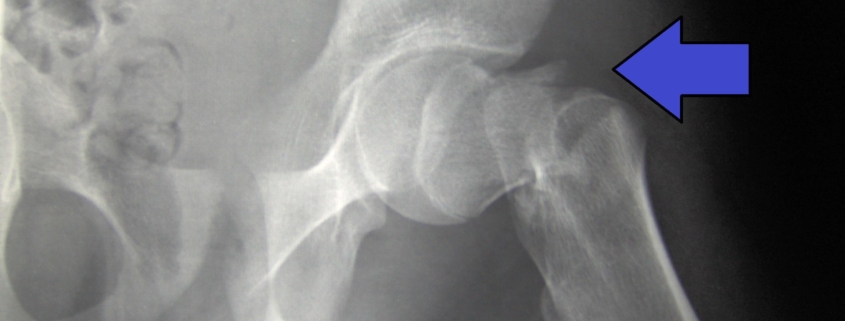
Hip Fracture
Overview
Hip fractures, commonly known as broken hips, pose a significant health risk, particularly for older adults. This type of fracture often results from a fall or from direct impact to the side of the hip. According to the National Institutes of Health, more than 300,000 people are hospitalized in the United States each year due to a hip fracture. Understanding the types, causes, symptoms, and treatment options can facilitate more effective care and rehabilitation.
Types
Hip fractures can vary significantly based on the location of the break. They are typically classified into two main types:
-
- Femoral Neck Fracture —This occurs just below the ball portion (head) of the thighbone (femur).
-
- Intertrochanteric Hip Fracture —This type of fracture happens three to four inches below the hip joint, in a region of the femur known as the intertrochanteric zone.
Causes
Hip fractures are often related to thinning bones (osteoporosis) and falls. Risk factors include:
-
- Old age, as bones become thinner and weaker with age, making them more prone to fractures.
-
- Osteoporosis, a bone-thinning disease that increases the risk of fractures.
-
- Previous hip fractures, with history indicating increased susceptibility.
-
- Being female, as women have a higher risk of osteoporosis.
Symptoms
Common symptoms of a hip fracture include:
-
- Pain in the groin or outer upper thigh.
-
- Discomfort when trying to flex or rotate the hip.
-
- Inability to bear weight on the affected leg.
-
- The injured leg might appear shorter or be turned outwards.
-
- In some cases, bruising and swelling around the hip area.
Diagnosis
If a hip fracture is suspected, the patient is typically sent for an X-ray, which can usually confirm the diagnosis. Should the X-ray not clearly show a fracture but the patient continues to have hip pain, an MRI or bone scan may be ordered. Physicians will also consider the patient’s medical history and the nature of the injury when diagnosing a hip fracture.
Treatment Options
Treatment for hip fractures generally involves a combination of surgery, rehabilitation, and medication. The type of surgery performed depends on the nature of the fracture and the patient’s overall health. Here are some options:
-
- Internal Fixation: In this method, metal screws are used to hold the bones in their proper position.
-
- Hip Replacement (Partial or Total): This procedure is often recommended for patients with complicated fractures or those with other joint or mobility issues.
Following surgery, physical therapy is an important part of the recovery process to help regain strength and mobility. Pain management typically involves over-the-counter pain relievers or prescribed medications.
Living with Hip Fracture
Living with a hip fracture can be challenging, but certain lifestyle changes can help manage the condition effectively.
-
- Adhering to the prescribed physical therapy routines and medication.
-
- Maintaining a healthy weight to reduce pressure on the hips.
-
- Eating a balanced diet with plenty of calcium and Vitamin D to support bone health.
-
- Quit smoking and alcohol as both can slow bone healing.
When to Seek Help
If you suspect a hip fracture, it is important to get immediate medical help. Look out for sudden, severe hip pain, inability to move or bear weight on the leg, and noticeable deformity or shortening of the leg. An untreated hip fracture can lead to serious complications, including life-threatening blood clots and pneumonia. It’s always better to be safe than sorry when dealing with potential hip fractures.


