
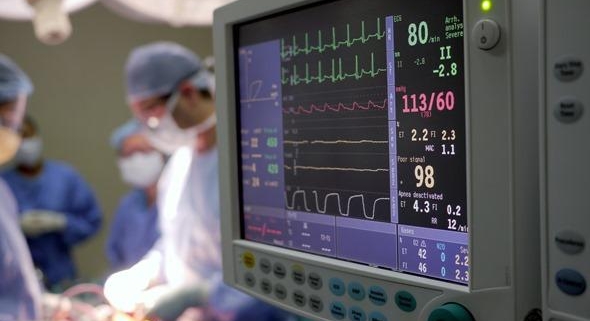
Intraoperative Monitoring
Overview
Intraoperative monitoring, also known as IONM, involves a series of neurophysiological methods used to monitor the functional integrity of certain neural structures during surgeries. This monitoring aids in reducing the risk associated with surgeries that may affect the nervous system. The primary objective is to provide real-time feedback to surgeons about a patient’s neurophysiological state, reducing the chances of irreversible damage.
Types
There are several types of intraoperative monitoring. The choice majorly depends on the type of surgery. Common types include:
-
- Somatosensory Evoked Potentials (SSEP): This monitors the pathways of the spinal cord and sensory nervous system.
-
- Motor Evoked Potentials (MEP): This monitors the motor pathways in the brain and spinal cord
-
- Electroencephalogram (EEG): This monitors brain activity and can be used for patients with seizure disorders, brain tumors or any form of brain surgery
-
- Electromyography (EMG): Used in surgeries which may affect nerves or muscles.
-
- Nerve Conduction Velocity (NCV): This checks the conduction of electrical impulse in the peripheral nerves.
Causes for the Use of Intraoperative Monitoring
IONM is typically used in surgeries where there is a high risk of nerve damage, such as spine, brain, cardiovascular, or peripheral nerve surgeries. It helps surgeons mitigate potential risks by providing real-time feedback of the nervous system’s functional integrity. Surgeons also use this process when they need to identify neural structures, thus avoiding accidental damage.
Symptoms Indicating the Need for IONM
The usage of IONM is not decided by symptoms but based on the type of surgery and risk assessment. However, if you’re scheduled for any procedure that involves the nervous system, symptoms may range from pain, numbness, weakness, loss of sensation or movement tension, which may indicate a need to opt for IONM.
Diagnosis
IONM is not a diagnostic tool but a surgical tool. It’s used in surgical procedures where there’s potential harm to nervous system components. Its use is determined based on the type and extent of surgery, patient’s condition, and surgeon’s assessment.
Treatment Options
Intraoperative monitoring itself isn’t a treatment but a method to assist in the surgical process. Nonetheless, it is an integral part of treatment in cases involving surgeries with high risks to the nervous system. The decision to use IONM is made by the surgeon, based on the specific circumstances of the procedure.
Living With Intraoperative Monitoring
Intraoperative monitoring is a process used during surgical procedures and not a chronic condition. Still, some considerations can be taken. First, talk openly with your healthcare provider about the use of IONM during your operation. Knowing what to expect can help to decrease worry and stress. Second, follow all pre and post-operative care instructions to aid in recovery. Lastly, follow up with your healthcare provider routinely or as advised.
When to Seek Help
If you’re about to undergo surgical procedures involving the nervous system, the spinal cord, or the brain, discuss with your doctor about opting for IONM. More so, if you experience discomfort, unexpected changes in state, or severe pain post-surgery, seek medical help.
Remember that Intraoperative Monitoring is an important tool that aids the success of potentially risky surgeries and contributes significantly to your safety during the procedure. If you have questions or feel that you don’t fully understand what will happen during your surgery, don’t hesitate to speak with your healthcare provider. They are there to help guide you through the process and aid in your recovery.


