
Lumbar Discectomy
Overview
Lumbar discectomy refers to a medical procedure aimed at removing or repairing an injured disc in the lumbar area (lower back) to relieve nerve root pressure and alleviate associated pain. The lumbar spine comprises five vertebrae located in the lower back. Sometimes, a disc located between these vertebrae may become harmed or start to degenerate, causing significant discomfort and pain. Lumbar discectomy is commonly recommended in situations where non-surgical solutions haven’t been effective.
Types
There are different types of lumbar discectomy procedures, including:
-
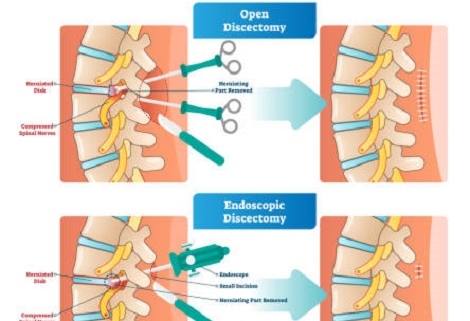
- Open Discectomy: This is a traditional surgery usually performed under general anesthesia. Your surgeon makes an incision in your back over the affected disc, moves muscles aside, and removes the problematic disc.
-
- Microdiscectomy: This is a minimally invasive alternative to open discectomy. It uses specialized tools through smaller incisions, alongside a microscope or other visuals aids for precision.
-
- Endoscopic Discectomy: This modern approach involves a small tube through which surgical tools and a tiny camera are inserted. It allows for disc removal with minimal tissue or muscle damage.
Causes
The need for lumbar discectomy usually arises from certain conditions or injuries affecting the discs in your lumbar spine. These include:
-
- Herniated disc: This occurs when the soft inner portion of the disc bulges out through a crack in the tougher exterior.
-
- Disc degeneration: This is a natural aging process where the discs wear down or deteriorate over time, causing pain and swelling.
Symptoms
Prior to a lumbar discectomy, you may experience several symptoms, including:
-
- Persistent low back pain
-
- Numbness or pain in your legs or buttocks
-
- Difficulty with movement or walking
-
- Weakness in legs
Diagnosis
Typically, the diagnosis process begins with a physical examination and review of your medical history. Further diagnostic tests may include:
-
- X-ray: To view your spine and identify any abnormalities.
-
- Magnetic resonance imaging (MRI): This produces detailed images of your spine, helping to identify disc damage.
-
- CT scan: It provides a detailed view of your spine and can help determine the location of the herniated disc.
Treatment Options
Before lumbar discectomy is considered, conservative treatment options are usually the first line of treatment. These may include:
-
- Physical therapy
-
- Anti-inflammatory medication
-
- Pain relief medication
-
- Steroid injections
If these measures fail, a lumbar discectomy may be recommended. Afterwards, physical therapy is usually suggested to strengthen the muscles and improve flexibility.
Living With Lumbar Discectomy
Recovery from a lumbar discectomy usually takes time, effort, and patience. Here are some tips:
-
- Follow postoperative care instructions and attend follow-up appointments.
-
- Take prescribed medications as directed to manage pain.
-
- Engage in gentle physical activity and physical therapy exercises.
-
- Rest when needed and avoid strenuous activity.
-
- Stay hydrated and maintain a healthy diet to aid recovery.
When to Seek Help
If you’re experiencing ongoing back pain that isn’t improving with conservative treatments, it’s crucial to seek medical attention. Additionally, if you notice any of the following symptoms after undergoing lumbar discectomy, contact your doctor immediately:
-
- Increased pain, redness, or swelling around the surgical area
-
- New or worsening back pain
-
- Fever or signs of infection
-
- Numbness or weakness in the legs
Maintaining an open line of communication with your healthcare provider is key to ensuring a smooth recovery process. Together, you can manage your condition and work towards improving your quality of life.


