
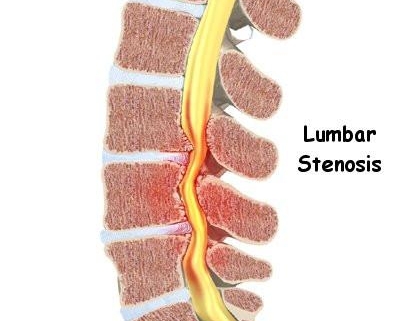
Lumbar Spinal Stenosis
Overview
Lumbar Spinal Stenosis (LSS) is a common medical condition that primarily affects adults over the age of 50. It happens when the open spaces in the spinal cord narrow down, exerting pressure on the nerves traveling through the lower back into your legs. This may cause discomfort, pain, numbness, or weakness in your lower back, legs, or feet.
Types
There are mainly two types of Lumbar Spinal Stenosis; these include:
1. Primary Spinal Stenosis: This is a rare type and is usually due to a congenital condition – meaning it’s something a person is born with.
2. Acquired Spinal Stenosis: This is by far the more common type, and it can happen for several reasons, including the wear and tear of age and arthritis.
Causes
The most common cause of Lumbar Spinal Stenosis is age-related changes in the spine. Other possible causes include:
– Overgrowth of bone due to osteoarthritis or Paget’s disease
– Herniated disks
– Thickened ligaments
– Tumors or cysts within the spine
– Spinal injuries
Symptoms
People with Lumbar Spinal Stenosis may experience some or all of the following symptoms:
– Pain, weakness, or numbness in the legs, calves, or buttocks
– Back pain
– A sensation of heaviness in the legs when standing or walking
– Difficulty walking or balancing
– Less commonly, loss of bladder or bowel control
Diagnosis
To diagnose Lumbar Spinal Stenosis, your doctor will perform a physical examination, review your medical history and may recommend some tests such as Magnetic Resonance Imaging (MRI), Computed Tomography (CT) scan, or X-ray.
Treatment Options
There are both conservative and surgical approaches to treating Lumbar Spinal Stenosis.
Conservative Treatments:
– Medication: Nonsteroidal anti-inflammatory drugs (NSAIDs), antidepressants, and anti-seizure drugs can help manage chronic pain.
– Physical Therapy: Exercises can help improve balance, strength, and flexibility.
– Steroid Injections: Injections can help reduce inflammation and relieve some symptoms temporarily.
Surgical Treatments:
– Laminectomy: This involves removing the back part (lamina) of the affected vertebra.
– Laminotomy: Only a portion of the lamina is removed to relieve pressure on the nerve roots.
– Laminoplasty: A procedure that’s performed only on the neck area, where the lamina is opened up rather than removed.
Living With Lumbar Spinal Stenosis
Living with Lumbar Spinal Stenosis can be a challenge, but several strategies can help you cope.
– Regular Exercise: Regular physical activity can help keep your spine flexible.
– Maintain Normal Body Weight: Excess weight puts additional strain on your lower back.
– Quit Smoking: Nicotine is detrimental to your bones and can exacerbate spinal problems.
– Avoid High-Heel Shoes: High heels can exacerbate lower back pain.
– Use Heat/Cold Therapy: This can help relieve acute pain in the lower back.
When to Seek Help
Everyone’s experience with Lumbar Spinal Stenosis is different, so it’s important to seek help if you notice new or worsening signs and symptoms. Immediately consult with a healthcare provider if you experience:
- Numbness or weakness in your legs, back, or arms that’s getting worse.
– Changes in bowel or bladder function.
– Severe or increasing trouble walking due to weakness or sensation changes in your legs.
– Pain that can’t be managed with over-the-counter medication.
while living with Lumbar Spinal Stenosis can be challenging, understanding the condition and actively participating in your care can make a significant difference in your quality of life.


