
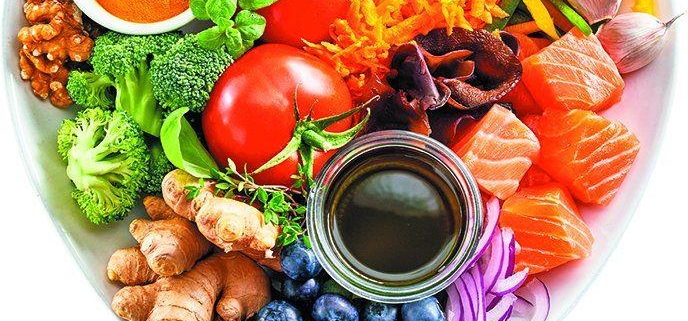
Nutrition and Your Spine
Overview
Nutrition and your spine are intrinsically linked – the food you eat has a direct impact on your spinal health, and in turn, your overall well-being. Given the crucial importance of the spine in supporting our body and performing daily activities, maintaining its health should be a top priority. Research shows that dietary habits can significantly affect spinal health. This guide will explore how nutrition and spine health are linked, and provide practical tips to promote a healthier spine.
Types
The impact of nutrition on spinal health can be categorized into two main types:
-
- Nutrient Impact: Specific nutrients, such as calcium and vitamin D, play a significant role in bone health and strength. Their deficiency can lead to weak bones and heighten the risk of conditions like osteoporosis and spinal fractures.
-
- Weight Impact: The type and amount of food you consume directly influence your body weight. Poor dietary habits may lead to obesity, which puts extra pressure on the spine and may result in conditions like spinal stenosis and herniated discs.
Causes
Poor nutrition results from subpar dietary habits, like excessive consumption of processed foods, lack of key nutrients, and imbalance in the diet. These habits may result from lack of knowledge about healthy eating, societal factors, environmental influences, or personal behaviors. Whatever the cause, its impact on the spine can be seriously debilitating.
Symptoms
The impact of poor nutrition on your spine may present various physical symptoms and conditions:
-
- Back pain
-
- General fatigue
-
- Weak muscles
-
- Decreased mobility
-
- Postural problems
-
- Conditions like osteoporosis, herniated discs, and spinal stenosis
Diagnosis
If you experience persistent back pain, your doctor may use a variety of methods to determine if poor nutrition is a contributing factor. They may ask questions about your diet, check for obesity, order blood tests to assess nutrient levels, or undertake bone density tests to diagnose osteoporosis.
Treatment Options
If your spine health is suffering due to poor diet, your treatment may involve dietary changes and exercise. In some cases, medication or surgery may be needed:
-
- Dietary Changes: Increasing the intake of key nutrients. For instance, calcium and vitamin D for bone health; lean protein to aid muscle support; and fruits, vegetables, and whole grains for overall health and weight management.
-
- Physical Activity: Regular exercise, particularly activities that strengthen the core muscles, can support the spine and improve posture.
-
- Medications/Supplements: In some cases, your doctor may prescribe supplements to increase your intake of certain nutrients, or medication to manage specific conditions.
-
- Surgery: If your spine has suffered severe damage due to poor nutrition, surgical intervention may sometimes be necessary. This is typically considered as a last resort.
Living With Nutrition and Your Spine
Promoting spine health through nutrition largely entails a balanced diet and a healthy lifestyle. Here are some tips to implement:
-
- Eat a balanced diet rich in calcium, vitamin D, lean protein, and fiber.
-
- Avoid processed foods, sugary drinks, and excessive caffeine.
-
- Exercise regularly to strengthen your muscles and maintain a healthy weight.
-
- Limit alcohol and quit smoking – both habits can lead to bone loss.
-
- Stay hydrated – water is vital for disc health.
-
- Consider working with a nutritionist or dietitian for personalized advice.
When to Seek Help
If your back pain is severe, doesn’t improve with rest and home treatment, or is coupled with symptoms like weight loss, fever, inflammation in the back, or neurological issues such as numbness, weakness, or tingling in your arms or legs, you should seek immediate medical attention. These could be signs of a more serious condition that demands prompt care. Your doctor will help guide you to the appropriate course of action to promote spinal wellness through both proper nutrition and medical care.


