
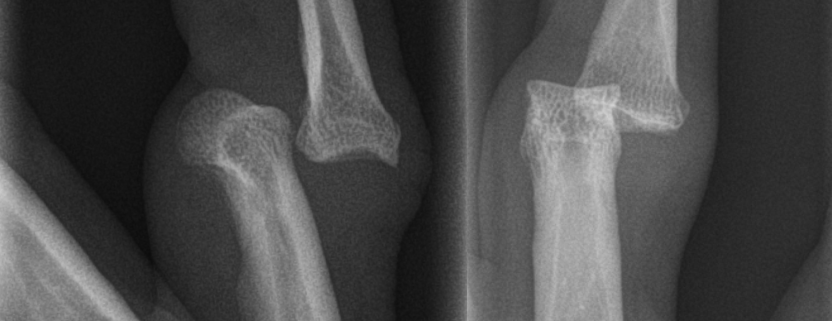
PIP Joint Injuries of the Finger
Overview
The Proximal Interphalangeal (PIP) joint is an essential part of the finger as it significantly contributes to the overall functioning and mobility of the hand. Injuries to the PIP joint are quite common because of its surface-level location and its presence in daily tasks. These injuries play a central role in the capability to grip or manipulate objects and can lead to complications if not dealt with appropriately.
Types
PIP joint injuries come in different forms, typically classified based on the kind of damage inflicted on the joint. They include:
-
- Dislocations: This is when the bones in the PIP joint are forced out of position.
-
- Sprains: This occurs when the ligaments that hold the joint together are stretched or torn.
-
- Fractures: A break or crack in one of the bones in the joint due to impact or stress.
-
- Arthritis: This is a chronic condition that affects the joint leading to inflammation and pain.
Causes
PIP joint injuries frequently occur as a result of direct trauma to the finger from participation in sporting activities, workplace incidents, falls, or daily household chores. The blowing impact on an extended finger or a rapid, forceful bending motion can lead to sprain, dislocation, or fracture. Chronic conditions like arthritis are commonly due to age, genetics, and lifestyle factors.
Symptoms
The symptoms of a PIP joint injury can include the following:
-
- Pain and tenderness in the finger.
-
- Swelling and stiffness of the joint.
-
- Difficulty in bending or straightening the finger.
-
- Visible deformity if dislocation or fracture has occurred.
-
- Redness or bruising.
-
- In severe cases, numbness or tingling may be felt in the finger.
Diagnosis
Diagnosis of PIP joint injuries usually involves a physical examination of the hand where your doctor will assess the area’s mobility, sensitivity, and appearance. Imaging tests like X-rays or, in more complex cases, MRI scans, are performed to get an in-depth understanding of the injury degree and type.
Treatment Options
Treatment for PIP joint injuries varies depending on the severity and type of the injury. Common treatments include:
-
- Conservative management: This includes rest, cold compress application, elevation, splinting, and anti-inflammatory medications.
-
- Physiotherapy: Therapeutic exercises to restore movement and strength.
-
- Surgery: Required for severe fractures or when conservative treatments fail to restore joint function.
Living With PIP Joint Injuries of the Finger
Living with a PIP joint injury requires attentiveness to recovery and prevention of further damage. Some useful tips include:
-
- Regularly perform prescribed exercises for improving range of motion and strength.
-
- Ensure adequate rest to the injured finger.
-
- During recovery, avoid activities that put unnecessary pressure on the finger.
-
- Use pain management strategies suggested by your healthcare provider.
When to Seek Help
Seek immediate medical help if you notice symptoms such as severe pain, inability to move the finger, visible deformity, or if your finger becomes cold, numb, or changes color. These symptoms could signal a severe injury requiring prompt treatment. Don’t ignore lingering symptoms as not treating a PIP joint injury properly might lead to long-term complications like joint instability, decreased function, or arthritis.
Conclusion
Understanding PIP joint injuries, their causes, symptoms, and potential treatments, can help patients deal effectively with these common but often debilitating injuries. If you suspect a PIP joint injury, always aim to get a professional medical evaluation to achieve the best possible recovery outcome.


