
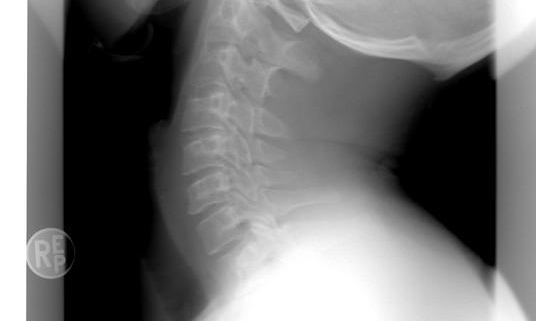
Posterior Cervical Fusion
Overview
Posterior cervical fusion is a surgical procedure aimed at eliminating motion between vertebrae to alleviate nerve or spinal cord compression and provide pain relief. This type of surgery, most commonly performed in the neck (cervical) region, can help improve stability and restore spine alignment.
Types
While the fundamental principle of all spinal fusion surgeries is to stop motion at a painful vertebral segment, there are several types:
1. Anterior Cervical Fusion: The surgery is done through the front of the neck.
2. Posterior Cervical Fusion: The procedure is conducted through the back of the neck. This approach is mainly used when compression is located on the backside of the spinal cord.
Causes
Posterior cervical fusion is often performed to treat certain conditions such as:
1. Disc disorders: Conditions such as herniated or degenerative disc disease can compress nerves, causing pain and instability.
2. Spinal stenosis: This condition causes narrowing of the spinal canal which can put pressure on the spinal cord and nerves.
3. Trauma: Injury causing unstable fractures may necessitate fusion for stability.
Symptoms
The symptoms prompting consideration for posterior cervical fusion typically include:
1. Chronic neck pain
2. Weakness in hands or arms
3. Numbness or tingling in hands or arms
4. Loss of coordination or balance
In severe cases, it may also cause difficulty with walking or bowel and bladder control issues.
Diagnosis
The first step toward diagnosing your condition will be a detailed medical history and physical examination. Diagnostic tools used may include:
1. Magnetic Resonance Imaging (MRI): Provides detailed images of soft tissues like intervertebral discs and nerves.
2. Computed Tomography (CT): A CT scan gives a precise, cross-sectional image of the bone structures in the spine.
3. X-rays: These images help identify any changes in the bones, alignment issues, or fractures.
Treatment Options
While surgery is one of the options, non-surgical treatments are almost always considered first. These include:
1. Pain relievers and anti-inflammatory medication
2. Physical therapy exercises
3. Steroid injections
If non-surgical treatments do not alleviate the symptoms, a posterior cervical fusion might be recommended. The surgery involves placing bone graft between vertebrae, eliminating motion, and relieving pressure from nerve roots or the spinal cord.
Living With Posterior Cervical Fusion
Following surgery, patients are typically up and moving within a few hours. Recovery time can vary, but it often involves:
1. Pain management: Prescription medications, over-the-counter medicine, or special exercises may be suggested.
2. Physical therapy: This can help restore strength and improve mobility.
3. Adaptive devices: For a short period after surgery, patients may benefit from using devices to assist with movement
4. Lifestyle changes: Healthy eating, regular exercise, and quitting smoking are often suggested to aid in recovery and maintain spinal health.
When to Seek Help
Contact your medical provider immediately if you experience symptoms such as:
1. High fever
2. Redness, heat, or excessive pain around the incision site
3. Weakness, numbness, tingling, or loss of bladder or bowel control
4. Difficulty breathing or swallowing
Remember, this guide is just to provide general information about posterior cervical fusion. Always consult with your healthcare provider for advice tailored to your specific circumstances.


