
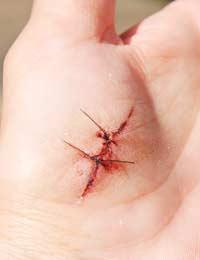
Postsurgical Infection
Overview
A postsurgical infection is a complication that can occur after undergoing a surgical procedure. Such infections can range in severity from a minor wound infection to more serious deep tissue infections. Despite many precautions, it’s estimated that approximately 1-3% of patients who undergo surgery develop one, making it an important concern in healthcare.
Types
Postsurgical infections can be classified according to the location of the infection:
1. Superficial incisional infections: These occur at the site of the surgical incision and are the most common type.
2. Deep incisional infections: These infections happen beneath the incision area in the muscles and other tissues.
3. Organ or space infections: These infections occur in the areas of the body other than skin, muscles, or incision site that were involved in surgery, such as organs or body cavities.
Causes
Various factors can contribute to a postsurgical infection. These include:
– Poor health of the patient. Conditions such as diabetes, obesity or reduced immunity can increase the risk.
– The length and complexity of the surgery. Longer and more complicated procedures carry a higher risk.
– Hospital environment. Despite all possible hygiene measures, hospitals can harbor germs.
– Unsterile surgical equipment and incorrect surgical techniques.
Symptoms
Symptoms of postsurgical infections may include:
- Redness, swelling or pain around the incision site
– Drainage of pus or other fluids from the surgical wound
– Fever
– General discomfort or feeling unwell
– In more severe cases, sepsis can develop
If you experience any of these symptoms, it is important to contact your healthcare provider promptly.
Diagnosis
If a postsurgical infection is suspected, your healthcare provider will likely:
– Conduct a physical examination.
– Order tests, such as blood tests or cultures of the wound or blood, to check for presence of bacteria.
– Employ imaging techniques, such as ultrasounds, CT scans or MRI, to get a better view of the infection.
Treatment Options
Management of postsurgical infections typically involves:
1. Medication: Antibiotics are usually the first course of action.
2. Surgical intervention: For deeper infections, another surgery may be needed to clean the wound and remove any infected tissue.
3. Wound care: Regular cleaning and dressing of the wound will help to assist in healing.
In severe cases, hospitalization and intravenous (IV) antibiotics may be required.
Living With Postsurgical Infection
Living with a postsurgical infection requires a combination of medical treatment and lifestyle modifications:
– Adhere to all prescribed medication and wound care procedures.
– Maintain a balanced diet and drink plenty of fluids to support your immune system.
– Rest and physical therapy can be crucial for recovery after the infection has been treated.
When to Seek Help
Seek medical attention immediately if:
- The wound becomes increasingly painful or the redness around it spreads.
– The surgical wound starts leaking pus or other fluids.
– Fever develops or worsens.
- You feel generally unwell or experience any other new and worrying symptoms.
In these cases, it’s always better to seek advice and intervene early to prevent further complications. Timely attention and treatment may prevent a postsurgical infection from becoming life-threatening. This case can also be an excessive pain or general unwellness that doesn’t gradually improve after surgery.


