
Quadriceps Tendonitis
Overview
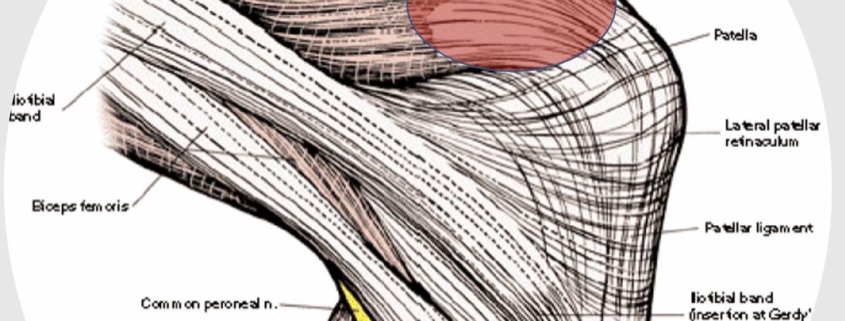
Quadriceps tendonitis, also known as quad tendonitis, refers to the inflammation and irritation of the large group of muscles found in the front of your thigh and their corresponding tendons. These muscles are paramount for lower limb function, including standing, walking, running, and jumping. It’s a common condition among athletes engaged in running, jumping, or squatting activities, but it can also impact non-athletes.
Types
Quadriceps tendonitis is generally classified into two types depending on its onset: acute and chronic. Acute quadriceps tendonitis is a sudden injury due to a large amount of force placed on the quad muscles, while chronic quadriceps tendonitis results from repeated minor injuries and overuse that cause damage over time.
Causes
The main cause of quadriceps tendonitis is overuse or an increased amount of stress on the quadriceps muscle group, commonly seen in sports or occupations that demand running, jumping, or knee bending. Other risk factors include aging, certain medical conditions like rheumatoid arthritis, diabetes, and obesity, poor physical conditioning, inadequate warm-up before physical activity and poor flexibility.
Symptoms
Symptoms of quadriceps tendonitis can range from mild to severe. They typically include:
-
- Pain in the front of your knee, especially when you bend or straighten it
-
- Tenderness and swelling around the top part of your kneecap
-
- Difficulty walking or climbing stairs
-
- Weakness in the affected leg
Diagnosis
To diagnose quadriceps tendonitis, your physician will start by examining your knee and asking about your symptoms and physical activities. You may also need to undergo diagnostic tests such as an X-ray, ultrasound, or Magnetic Resonance Imaging (MRI). These tests can provide detailed images of the structures within your knee, which can help the doctor assess any damage or inflammation.
Treatment Options
The treatment strategy for quadriceps tendonitis generally involves conservative measures like:
-
- Rest: Giving your knee some time off from activities that exacerbate the pain.
-
- Ice: Applying ice to the affected area to reduce inflammation.
-
- Medication: Nonsteroidal anti-inflammatory drugs (NSAIDs) like ibuprofen can decrease pain and inflammation.
-
- Physical Therapy: A physical therapist can customize an exercise regimen to strengthen your quadriceps and improve flexibility.
In severe cases or when conservative treatments aren’t effective, surgery might be considered.
Living with Quadriceps Tendonitis
Quadriceps tendonitis can be a long-term condition, but with good management, most people can keep their symptoms under control. Key lifestyle changes include regular exercises to strengthen the quad muscles, maintaining a healthy weight to reduce pressure on the knees, using proper equipment and technique during physical activities, ensuring adequate recovery periods between workouts, and wearing supportive shoes.
When to Seek Help
While mild pain and discomfort are common in the early stages of quadriceps tendonitis, they can usually be managed with conservative treatments. However, you should seek medical assistance immediately if your knee pain is severe, if it doesn’t improve with rest and home treatments, or if it significantly hinders your ability to perform daily activities. Additional red flags include a noticeable swelling or bruising, a feeling that your knee may ‘give out’, or if your symptoms fail to improve after a few weeks of conservative treatment.


