
Scoliosis
Overview
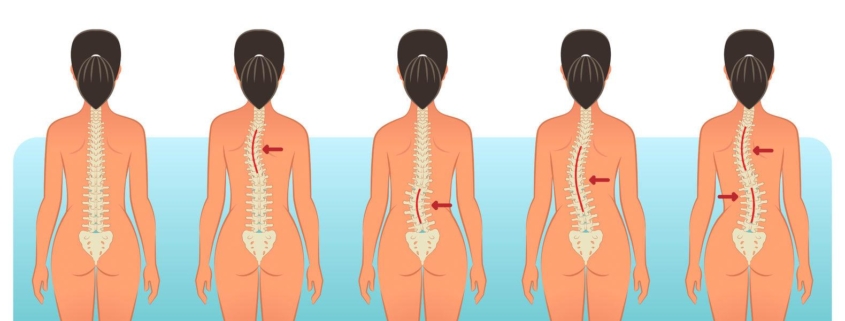
Scoliosis is a medical condition characterized by an abnormal sideways curve of the spine, making it look like a “C” or “S”. The condition can occur at any age but is most common in adolescents before puberty. It affects about 2 to 3 percent of the population, equating to around 6 to 9 million people in the United States alone.
Types
Scoliosis is classified into four major types, each with different causes and characteristics. These include:
-
- Idiopathic scoliosis: The most common type, often diagnosed in adolescence. The cause is unknown.
-
- Congenital scoliosis: This occurs when the spine fails to form properly in the womb.
-
- Neuromuscular scoliosis: This type arises from conditions like cerebral palsy and muscular dystrophy that affect muscles and nerves.
-
- Degenerative scoliosis: This type occurs in adults due to aging or arthritis in the spine.
Causes
The exact cause of scoliosis varies according to the type. For idiopathic scoliosis, the cause is unknown, although genetic factors are believed to be involved. Congenital scoliosis results from a birth defect, while neuromuscular scoliosis is a result of conditions affecting the muscles and nerves. Lastly, degenerative scoliosis is typically caused by wear and tear on the spine.
Symptoms
Scoliosis symptoms can vary in severity. Some individuals may have no noticeable symptoms, while others may experience:
-
- Uneven shoulders, waist or hip
-
- A shoulder blade that appears more prominent than the other
-
- Back pain or discomfort
-
- In severe cases, difficulty breathing, due to reduced room for the lungs
Diagnosis
Scoliosis is typically diagnosed through an initial physical examination where the doctor checks for curve in the spine, uneven shoulders, and imbalance in the hips. If scoliosis is suspected, the doctor may order imaging tests such as X-rays, MRI, or CT scans for a more detailed view.
Treatment Options
The treatment for scoliosis depends largely on the severity of the spine curvature and the patient’s age.
-
- Observation: For mild curves, doctors may suggest a wait-and-see approach with regular check-ups to monitor the curve progression.
-
- Bracing: For moderate curves in growing children, a brace can be used to prevent the curve from worsening.
-
- Surgery: For severe curves or cases where bracing isn’t effective, surgery might be necessary to correct the curve.
Living With Scoliosis
Living with scoliosis can present unique challenges, but with the right approach and support, one can lead a fulfilling life.
-
- Exercise can help strengthen the muscles supporting your spine, improve flexibility, and decrease discomfort.
-
- Proper posture can aid in avoiding further curvature and alleviate symptoms.
-
- Medication may be prescribed for pain management in certain cases.
When to Seek Help
While mild scoliosis typically doesn’t cause problems, it’s essential to seek medical help if you notice signs such as a significant curve in the spine, uneven shoulders, or if the condition starts causing pain or discomfort. If you or your child already have a scoliosis diagnosis, keep up with the regular check-ups suggested by your doctor, and contact them if the symptoms worsen.
Remember, early intervention can play a key role in managing this condition effectively, so don’t hesitate to reach out to your healthcare provider when you need help.


