
Spinal Stenosis
Overview of Spinal Stenosis
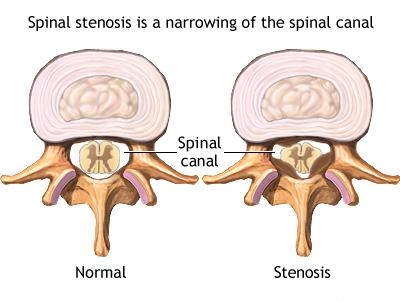
Spinal Stenosis is a common condition that impacts countless people around the world. It’s a term that describes the narrowing of the spinal canal. This narrowing can put pressure on the nerves traveling through the spine, often leading to pain or discomfort. While any part of the spine can be affected, stenosis is most commonly seen in the lower back and neck.
Types of Spinal Stenosis
Spinal Stenosis can be classified into two main types based on the area of the spine it affects:
– Lumbar Spinal Stenosis: This type impacts the lower portion of the spine. It’s the most commonly diagnosed form of spinal stenosis.
– Cervical Spinal Stenosis: This type affects the part of the spine in the neck.
Causes of Spinal Stenosis
The most common cause of spinal stenosis is age-related wear and tear, known as osteoarthritis. Other possible causes or risk factors include:
– Previous injury or surgery to the spine
– Congenital spinal deformities (conditions present from birth)
– Conditions that lead to the loss of nerve function, such as spinal tumors or certain inflammatory diseases
Symptoms of Spinal Stenosis
The symptoms of spinal stenosis vary greatly from person to person. Some people may not exhibit any symptoms at all, while others may experience:
– Pain, numbness, or weakness in the legs or arms
– Difficulty walking or maintaining balance
– Neck or lower back pain
– In severe cases, problems with bladder or bowel function
Diagnosis of Spinal Stenosis
Spinal stenosis is typically diagnosed through a combination of a physical examination and imaging tests. These may include:
– Physical Examination: This may involve testing your balance, flexibility, and other physical capabilities.
– X-ray: X-ray images can reveal any changes or abnormalities in your spine.
– MRI: Magnetic resonance imaging uses a magnetic field and radio waves to produce detailed images of your spine.
– CT Scan: This test may also be used to get a detailed view of your spine.
Treatment Options for Spinal Stenosis
The goal of treating spinal stenosis is to relieve pressure on the spinal cord or nerves, manage pain, improve functionality, and maintain a normal lifestyle. Treatment may involve:
– Medication: Over-the-counter pain relievers, prescription medications, or corticosteroid injections can help reduce pain and inflammation.
– Physical Therapy: Strengthening and flexibility exercises under the guidance of a physical therapist can improve balance and lessen pain.
– Surgery: In severe cases, surgery may be necessary to relieve pressure on the spinal cord or nerves.
Living With Spinal Stenosis
Living with pain from spinal stenosis can be challenging. Here are several strategies to help manage your condition:
– Adopt a healthy lifestyle: Regular exercise and a healthy diet can help manage symptoms and improve overall health.
– Seek support: Join a support group or consider seeing a counselor to help cope with the physical and emotional challenges of this condition.
- Stay positive: Managing your outlook and expectations can play a big part in living with spinal stenosis.
When to Seek Help for Spinal Stenosis
Immediate medical attention should be sought if you notice any sudden or intense pain, difficulty walking, or if your spinal stenosis symptoms interfere with your daily routine. Remember, early intervention is the key to managing and treating spinal stenosis effectively.
The information provided in this article is meant to increase understanding and awareness of spinal stenosis. It should not replace professional medical advice. Always consult with a qualified healthcare professional for diagnosis and treatment.


