
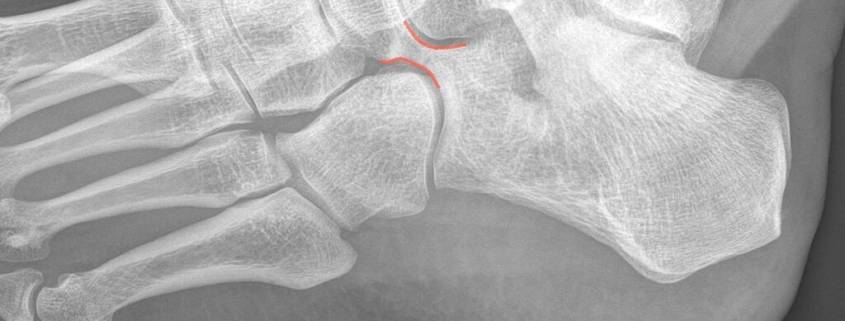
Tarsal Coalition
Overview
Tarsal coalition is a rare condition that affects the feet. It occurs when two bones at the back of your foot—known as the tarsal bones—develop an abnormal connection, causing discomfort, stiffness, and sometimes altered foot shape. The condition usually manifests in children or teenagers as their feet grow and develop but can sometimes go unnoticed until adulthood.
Types
There are two main types of tarsal coalition:
-
- Talocalcaneal Coalition: This occurs when the talus and calcaneus bones fuse together. It’s the most common type of tarsal coalition.
-
- Calcaneonavicular Coalition: This type involves the calcaneus and navicular bones.
Causes
The primary cause of tarsal coalition is genetics—it’s often an inherited condition. That said, a traumatic foot injury or some types of infections or arthritis can also increase the risk of developing a tarsal coalition.
Symptoms
Some people with tarsal coalition may experience no symptoms, especially in their younger years. However, for others, symptoms can include:
-
- Pain or stiffness in the foot or ankle, especially during physical activity
-
- Flatfoot
-
- Muscle spasms in the leg
-
- Tiring easily during physical activity
-
- Unusual walking pattern
Diagnosis
Initial diagnosis of a tarsal coalition often involves a physical examination and a review of the patient’s medical history. Imaging tests such as X-rays, CT scans, or MRIs can confirm the diagnosis and identify the specific bones involved.
Treatment Options
Treatment for tarsal coalition depends on the severity of the condition and the associated symptoms. Options may include:
-
- Conservative Treatment: Aims to relieve symptoms and may include physical therapy, custom-made orthotic devices, or steroid injections.
-
- Surgical Treatment: May be recommended for severe cases or those not responding to conservative treatment. Types of surgery include resection or fusion.
Living With Tarsal Coalition
Living with tarsal coalition can be challenging, but with the right approach, symptom management can be effective. Here are some tips:
-
- Follow your medical team’s advice on exercise and activity levels.
-
- Regularly wear prescribed orthotic devices.
-
- Take prescribed pain relief as directed.
-
- Keep a symptom diary to track changes and help inform your treatment.
When to Seek Help
If you experience persistent or severe foot and ankle pain, difficulty with mobility, or recurring muscle spasms in the foot or leg, you should seek medical advice. In particular, if you’ve been diagnosed with tarsal coalition and your symptoms worsen or don’t improve with treatment, it’s crucial to seek medical help to review your management plan.


