
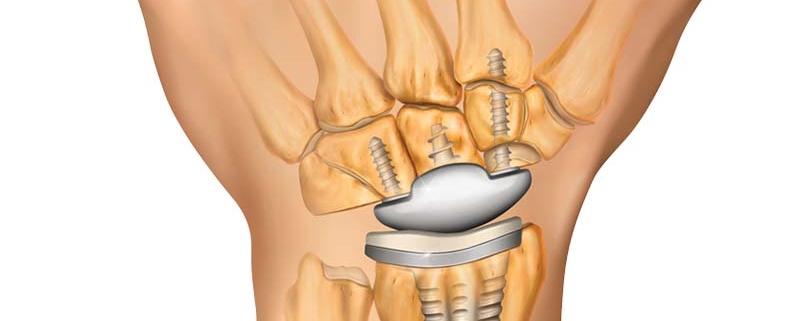
Wrist Joint Replacement
Overview
Wrist joint replacement, also known as wrist arthroplasty, is a surgical procedure used to replace a dysfunctional wrist with an artificial joint (prosthesis). This procedure is generally performed to relieve severe pain and improve function in patients who have not responded well to more conservative therapies. According to the American Academy of Orthopaedic Surgeons, wrist joint replacements are less common than hip or knee replacements, but can be a viable option for patients with various types of arthritis, specific injuries, or other joint-related conditions.
Types
There are two main types of wrist joint replacement procedures: Total Wrist Replacement (TWR) and Partial Wrist Replacement (PWR). In a TWR, the surgeon replaces the entire wrist joint with an artificial one. In contrast, a PWR involves replacing only a part of the wrist joint. The specific type of surgery recommended will depend on individual patient’s conditions and needs.
Causes
The most common reason for needing a wrist joint replacement is severe arthritis that has not responded to more conservative treatments. Types of arthritis that can lead to a wrist joint replacement include Osteoarthritis, Rheumatoid Arthritis, and Post-traumatic Arthritis. Additionally, certain injuries, such as severe fractures or dislocations of the wrist, may also necessitate a wrist joint replacement if they lead to chronic pain or instability.
Symptoms
Symptoms leading to a wrist joint replacement procedure can vary but generally revolve around persistent pain that impacts daily activities. Additional symptoms may include:
-
- Stiffness or limited mobility in the wrist
-
- Swelling in the joint
-
- Visible deformity or change in the shape of the wrist
-
- Weakness in the wrist or hand
Diagnosis
Your healthcare provider will diagnose the need for a wrist joint replacement based on your medical history, physical examination, and imaging studies. X-rays are typically the primary imaging tool used, although MRIs or CT scans may also be ordered to further assess the condition of the wrist joint.
Treatment Options
Non-surgical treatments for severe wrist pain or dysfunction will typically be attempted first. These can include medication, splinting, physical therapy, and corticosteroid injections. If these methods are ineffective, wrist joint replacement surgery may be recommended.
During the surgery, the damaged bone and cartilage are removed from the wrist joint and replaced with an artificial joint made of metal and plastic. Postoperative recovery typically involves physical therapy and careful, graduated reintroduction of wrist activities.
Living With Wrist Joint Replacement
Following surgery, it’s crucial to adhere to your surgeon and physical therapist’s recovery instructions to ensure optimal outcomes. This will usually involve:
-
- Physical therapy exercises to regain strength and mobility
-
- Temporarily avoiding certain activities that could stress the new joint
-
- Regular follow-ups with your doctor to monitor your progress
Long-term, you may need to modify certain activities to protect your new joint, but most patients find they can return to many of their favorite activities without the pain they once experienced.
When to Seek Help
After a wrist joint replacement, seek immediate medical attention if you experience symptoms such as:
-
- Severe, uncontrolled pain
-
- Significant swelling or bleeding
-
- Fevers or chills
-
- Redness, warmth, or discharge around the surgical site
These could indicate complications like infection or prosthetic joint failure, which need to be addressed urgently. However, with careful surgical planning, adherence to postoperative instructions, and appropriate lifestyle modifications, complications are relatively rare and most patients experience a notable improvement in their quality of life following a wrist joint replacement.


