
5 Mindfulness Techniques to Alleviate MSK Pain and Stress
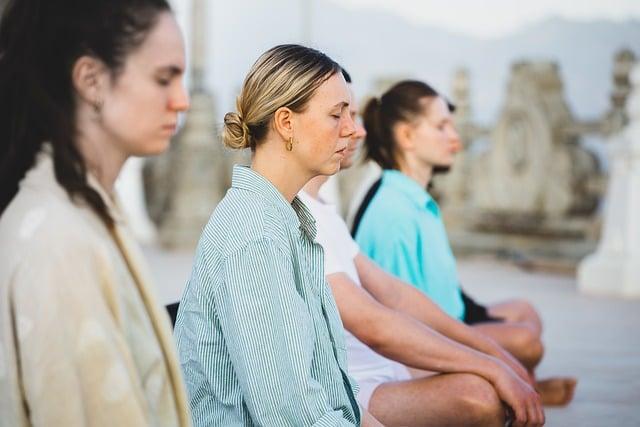
In today’s fast-paced world, managing musculoskeletal (MSK) pain and the stress that ofen accompanies it can feel like an uphill battle. Whether you’re dealing with chronic discomfort or the occasional twinge,finding effective ways to soothe both body and mind is essential for overall well-being.This listicle presents five mindfulness techniques specifically designed to alleviate MSK pain and reduce stress. From breathing exercises to gentle movement practices,each technique offers a unique approach to fostering relaxation and enhancing your connection to your body. Join us as we explore these mindful strategies, empowering you to cultivate a greater sense of peace and comfort in your daily life.
1) Deep Breathing Exercises: Harness the power of your breath to create a sense of calm and reduce tension.By focusing on slow, deep inhalations and exhalations, you can activate your bodys relaxation response, which helps alleviate musculoskeletal pain and stress
Deep breathing exercises are a powerful tool for cultivating tranquility and easing discomfort in the body. By intentionally focusing on your breath, you can shift your attention away from stressors and into a state of relaxation. To practice this technique,find a agreeable position,close your eyes,and take a moment to notice your natural breathing pattern. Gradually begin to inhale deeply through your nose, allowing your abdomen to rise, and then exhale slowly through your mouth, letting go of tension with each breath. This rhythmic flow not only calms the mind but also helps to release built-up pressure in your muscles.
To enhance the effectiveness of your deep breathing routine, consider incorporating the following elements:
- Posture: Sit or lie down in a way that supports a straight spine, allowing for optimal lung expansion.
- Duration: Aim for 5-10 minutes of focused breathing, gradually increasing as you become more comfortable.
- Visualization: Picture a serene landscape or calming color as you breathe, fostering a deeper sense of peace.
- Consistency: Practice daily or whenever you feel stress creeping in to build a habit of relaxation.
2) Progressive Muscle Relaxation: This technique involves systematically tensing and relaxing different muscle groups in your body. By consciously releasing tension, you can become more aware of areas of discomfort and promote a sense of overall relaxation, making it easier to cope with chronic pain
Progressive Muscle Relaxation (PMR) is a powerful method that can help you identify and release tension in your body. By focusing on individual muscle groups, you can cultivate a deeper understanding of where discomfort resides. The process involves:
- Tensing a specific muscle group for a few seconds.
- Relaxing the muscle and noticing the difference in sensation.
- Moving through each muscle group, from your toes to your head.
This technique not only promotes relaxation but also enhances your body awareness. As you practice PMR, you may discover areas of tension that you were previously unaware of, allowing you to address them more effectively. Incorporating this practice into your daily routine can lead to significant improvements in your ability to manage chronic pain,as it encourages a mindful connection between your mind and body.
| Muscle Group | Tension Duration | Relaxation Duration |
|---|---|---|
| Feet | 5 seconds | 10 seconds |
| Legs | 5 seconds | 10 seconds |
| Arms | 5 seconds | 10 seconds |
| Face | 5 seconds | 10 seconds |
3) Mindful Movement: engage in gentle, mindful activities such as yoga or tai chi, which encourage awareness of your body and its sensations.These practices not only enhance flexibility and strength but also foster a deeper connection between your mind and body, helping to reduce stress and alleviate pain
Engaging in gentle, mindful activities like yoga and tai chi offers a holistic approach to managing musculoskeletal pain and stress. These practices emphasize awareness, breath, and movement, allowing individuals to tune into their bodies.As you flow through a series of poses or movements, you cultivate a sense of presence that helps to release tension. The rhythmic nature of these exercises not only enhances flexibility and strength but also encourages the body to move in ways that feel good, reducing the likelihood of strain or injury.
Moreover, these mindful movements can serve as a powerful tool for emotional well-being.By focusing on the sensations in your body, you can cultivate a deeper connection between your mind and body, which plays a crucial role in alleviating stress.Here are some benefits of incorporating mindful movement into your routine:
- Improved body awareness: Helps identify areas of tension.
- Enhanced relaxation: Promotes a calm mind and reduces anxiety.
- Increased energy: Boosts vitality through gentle movement.
- Stress reduction: Lowers cortisol levels and promotes a sense of peace.
4) Visualization Techniques: Create a mental sanctuary by visualizing a peaceful scene or a safe space where you feel relaxed. This technique can definitely help distract your mind from pain and stress, allowing you to cultivate a more positive mental state and promote healing
Imagine stepping into a serene landscape, where every detail is meticulously crafted by your imagination. Visualize a tranquil beach, where the gentle waves kiss the shore, and the sun sets in a vibrant palette of oranges and pinks. As you breathe in the salty air, let the sound of the ocean lull you into a state of calm. Alternatively, picture a lush forest, where sunlight filters through the leaves, creating a dappled effect on the forest floor. The rustling of leaves and the distant chirping of birds provide a soothing soundtrack, inviting you to immerse yourself in this peaceful retreat. Allow yourself to linger in these scenes, letting the vivid imagery envelop your senses and transport you away from the discomfort of your current reality.
To enhance this practice, consider creating a mental sanctuary that you can revisit whenever you need a moment of respite. You might choose to focus on a cozy cabin nestled in the mountains, surrounded by snow-capped peaks and the scent of pine trees. Alternatively,envision a garden bursting with colorful flowers,where the fragrance of blooming petals fills the air. As you cultivate this mental space, try to incorporate elements that resonate with you personally, such as the sound of a favorite song or the warmth of a cherished memory. By regularly visiting your sanctuary, you not only distract your mind from pain but also foster a sense of safety and positivity that can substantially aid in your healing journey.
5) Gratitude Journaling: Shift your focus from pain to positivity by keeping a gratitude journal. Take a few moments each day to write down things you are thankful for. This practice can definitely help reframe your mindset, reduce stress, and improve your overall emotional well-being, making it easier to manage musculoskeletal discomfort
Gratitude journaling is a powerful tool that can transform your daily mindset and enhance your emotional resilience.By dedicating just a few minutes each day to jot down what you appreciate, you can shift your focus away from pain and discomfort. This simple practice allows you to recognize the positive aspects of your life, no matter how small. Consider noting things like a warm cup of tea, a supportive friend, or a lovely sunset. Over time, this habit can definitely help cultivate a sense of abundance, making it easier to cope with the challenges of musculoskeletal discomfort.
To get started, choose a notebook or a digital platform that resonates with you, and set aside a specific time each day for this reflective exercise. You might find it helpful to create a structured approach, such as listing three things you’re grateful for, one positive experiance from the day, and a personal strength you appreciate about yourself. This method not only reinforces positive thinking but also encourages self-compassion, which is crucial when managing pain. Remember, the goal is not to ignore your struggles but to balance them with moments of gratitude, ultimately leading to a more positive outlook on life.
The Conclusion
As we wrap up our exploration of these five mindfulness techniques, it’s clear that the journey toward alleviating musculoskeletal pain and stress is as much about the mind as it is indeed about the body. Each technique offers a unique pathway to cultivate awareness, foster relaxation, and empower you to take control of your well-being. Whether you choose to embrace deep breathing, engage in mindful movement, or find solace in meditation, remember that the key lies in consistency and compassion for yourself.
Integrating these practices into your daily routine can transform not just how you cope with discomfort, but also how you experience life itself. So, take a moment to reflect on which techniques resonate with you, and start weaving them into your day. Your journey towards a more mindful, pain-free existence is just beginning, and every small step you take is a stride toward a healthier, more balanced you. Embrace the journey, and may peace and ease accompany you along the way.








Leave a Reply
Want to join the discussion?Feel free to contribute!