
5 Essential Insights for Understanding Scoliosis Care
5 Essential Insights for understanding Scoliosis care: Your Guide to Informed Decisions
Navigating the world of scoliosis care can feel overwhelming, especially with the myriad of treatment options and expert advice available. Whether you’re a patient, a concerned parent, or simply someone looking to expand your knowledge, understanding the nuances of scoliosis is crucial for making informed decisions. In this listicle, we’ll delve into five essential insights that will illuminate the complexities of scoliosis management. From the latest advancements in treatment to practical tips for living with the condition, each point is designed to equip you with the knowledge you need. By the end, you’ll have a clearer perspective on scoliosis care, empowering you to approach this journey with confidence and clarity. Let’s explore these vital insights together!
1) Understanding the Types of Scoliosis: Differentiate between idiopathic, congenital, and neuromuscular scoliosis to grasp the underlying causes and tailor treatment approaches accordingly
Scoliosis, a condition characterized by an abnormal curvature of the spine, can originate from various underlying causes. Understanding these causes is crucial for effective management and treatment. Idiopathic scoliosis, which accounts for the majority of cases, typically arises during adolescence without a known cause. This type is frequently enough characterized by a progressive curvature that can worsen as the child grows. Conversely, congenital scoliosis develops due to malformations of the spine present at birth. this type can vary substantially in severity, depending on the specific vertebral anomalies. Lastly, neuromuscular scoliosis is associated with conditions that affect the nerves and muscles, such as cerebral palsy or muscular dystrophy. In these cases, the spineS curvature results from imbalances in muscle strength and control, leading to a more complex treatment approach.
Recognizing the distinctions between these types of scoliosis is essential for tailoring treatment strategies. As an example, idiopathic scoliosis often requires observation, bracing, or surgical intervention based on the degree of curvature and the patient’s growth potential.In contrast, congenital scoliosis may necessitate early surgical intervention to correct or stabilize the spine and prevent further complications. Neuromuscular scoliosis management typically involves a multidisciplinary approach, including physical therapy, orthopedic care, and possibly surgery, to address the underlying neuromuscular issues. By categorizing the type of scoliosis, healthcare providers can develop personalized care plans that address the unique challenges and needs of each patient.
2) The importance of Early Detection: Recognizing the signs of scoliosis early can lead to more effective management strategies, highlighting the necessity of regular screenings, especially during adolescence
Recognizing the signs of scoliosis early is crucial for effective management and treatment. Adolescence is a key period for screening, as growth spurts can exacerbate spinal curvature.Parents and caregivers should be vigilant for signs such as uneven shoulders, a prominent shoulder blade, or an asymmetrical waistline.Regular check-ups with healthcare professionals can facilitate early detection, allowing for timely interventions that may include physical therapy, bracing, or, in some cases, surgery. Early identification not only helps in managing the condition but also alleviates potential complications that can arise from untreated scoliosis.
To emphasize the importance of early detection, consider the following benefits:
- Improved Treatment Outcomes: Early intervention can lead to better alignment and function.
- Reduced Risk of Progression: Monitoring and managing scoliosis can prevent worsening of the curve.
- Enhanced Quality of Life: Addressing scoliosis early can minimize physical discomfort and emotional stress.
| Sign | What to Look For |
|---|---|
| Uneven Shoulders | One shoulder may appear higher than the other. |
| prominent Shoulder Blade | One shoulder blade may stick out more than the other. |
| Asymmetrical Waistline | One side of the waist may look different from the other. |
3) Treatment Options Beyond bracing: Explore the array of treatment options available, including physical therapy, chiropractic care, and surgical interventions, to understand how each can play a role in managing scoliosis
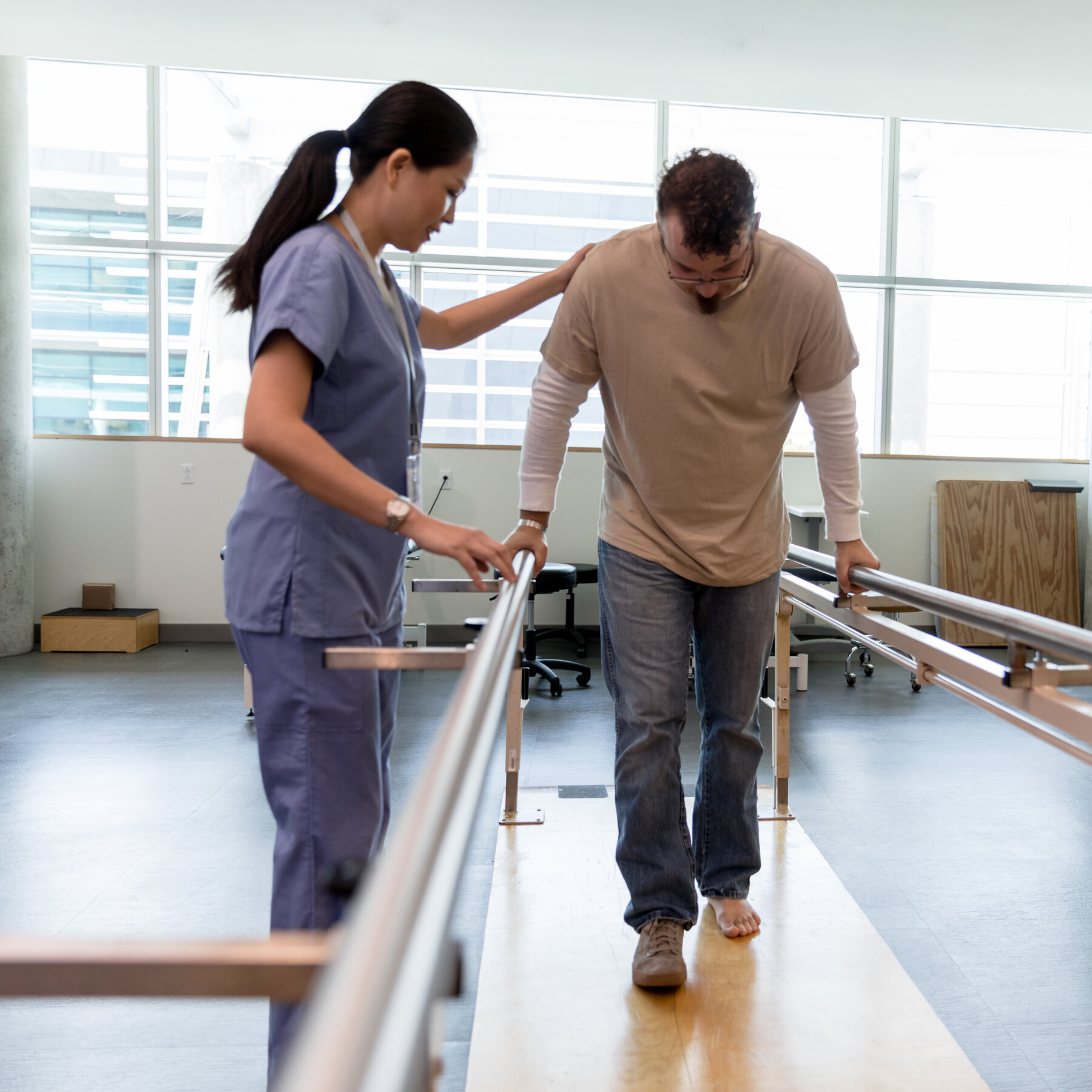
While bracing is frequently enough the first line of defense against scoliosis, there are numerous other treatment options that can significantly improve quality of life and spinal health. Physical therapy is a cornerstone of scoliosis management, focusing on strengthening the muscles surrounding the spine, improving posture, and enhancing adaptability. Tailored exercises can alleviate pain and reduce the curvature of the spine over time. Additionally, chiropractic care offers a hands-on approach, utilizing spinal manipulation to help realign the vertebrae and improve overall function. Many patients find that regular chiropractic adjustments can lead to improved mobility and a reduction in discomfort.
For more severe cases where conservative treatments are ineffective,surgical interventions may be necesary. Procedures such as spinal fusion can correct the curvature and stabilize the spine, allowing patients to regain functionality and reduce pain. The decision to pursue surgery is frequently enough based on the degree of curvature and the impact on daily activities. Below is a table summarizing the different treatment options:
| Treatment Option | Benefits | Considerations |
|---|---|---|
| Physical Therapy | Strengthens muscles, improves posture | Requires commitment and consistency |
| Chiropractic Care | Realigns spine, enhances mobility | Results may vary; not suitable for all |
| Surgical Interventions | Corrects severe curvature, stabilizes spine | Involves recovery time and risks |
4) The Role of Exercise and Physical Activity: Discover how specific exercises can strengthen the back muscles and improve posture, offering a complementary approach to traditional scoliosis treatments
Engaging in regular physical activity is crucial for individuals with scoliosis, as it can significantly enhance back strength and promote better posture. Specific exercises target the muscles surrounding the spine, helping to stabilize and support the vertebrae. Here are some effective exercises to consider:
- Bridges: Strengthen the glutes and lower back, helping to alleviate pressure on the spine.
- Planks: Build core strength, which is essential for maintaining proper alignment.
- Cat-cow Stretch: Increase flexibility in the spine and relieve tension in the back muscles.
- Wall Angels: Promote shoulder mobility and improve posture by engaging upper back muscles.
Incorporating these exercises into a regular fitness routine can provide a complementary approach to traditional scoliosis treatments. A well-rounded exercise program not only strengthens the back muscles but also enhances overall physical health. Below is a simple table summarizing the benefits of these exercises:
| Exercise | Benefits |
|---|---|
| Bridges | Strengthens glutes and lower back |
| Planks | Enhances core stability |
| Cat-Cow Stretch | Increases spinal flexibility |
| Wall Angels | Improves shoulder mobility |
5) Psychological Impact and Support: Acknowledge the emotional and psychological effects of scoliosis on patients, emphasizing the importance of support systems and counseling in the overall care plan
Scoliosis is not just a physical condition; it can also take a notable toll on the emotional and psychological well-being of those affected. patients may experience feelings of isolation, anxiety, or depression due to their condition.The visible signs of scoliosis,such as uneven shoulders or hips,can lead to self-consciousness and body image issues,especially among adolescents. It’s essential to recognize these emotional challenges and address them as part of a comprehensive care plan. By fostering an environment of understanding, patients can feel more empowered to discuss their feelings and experiences.
support systems play a crucial role in the management of scoliosis. Family, friends, and peer support groups can provide a comforting network that encourages open dialog and emotional expression. Additionally, professional counseling can offer patients coping strategies tailored to their unique situations. Consider the following options for support:
- Peer Support Groups: Connecting with others who have scoliosis can help patients feel less alone.
- Family Counseling: Involving family members can facilitate better understanding and dialogue.
- Therapeutic Interventions: Techniques such as cognitive-behavioral therapy can address negative thought patterns.
Implementing a structured support system can significantly improve the quality of life for scoliosis patients. Below is a simple table outlining various support resources:
| Resource Type | Description | Contact/Website |
|---|---|---|
| Peer Support Group | Connect with individuals facing similar challenges. | Find a Group |
| Professional Counseling | Access trained therapists for emotional support. | Locate a Therapist |
| Online Forums | Engage in discussions and share experiences. | Join a Forum |
To Wrap It Up
As we conclude our exploration of the five essential insights for understanding scoliosis care, it’s clear that this journey is as much about awareness as it is indeed about treatment. Each insight serves as a stepping stone towards a more comprehensive understanding of scoliosis, empowering patients, families, and caregivers alike.
Navigating the complexities of scoliosis requires not just knowledge, but also compassion and support from the community. Whether you are directly affected by scoliosis or simply seeking to broaden your understanding, remember that informed care is the foundation of effective management.
As you move forward, keep these insights in mind, and don’t hesitate to engage with healthcare professionals, support groups, and educational resources.Together, we can foster a better environment for those living with scoliosis, ensuring they receive the care and understanding they deserve. Thank you for joining us on this enlightening journey—here’s to a future where scoliosis care is accessible,informed,and compassionate for all.




Leave a Reply
Want to join the discussion?Feel free to contribute!