
5 Key Signs You Should Consult a Specialist for MSK Pain

Are you grappling with musculoskeletal (MSK) pain that just won’t quit? Whether it’s a nagging ache in your back, a persistent twinge in your knee, or a sharp pain in your shoulder, it can be all too easy to brush these discomforts aside. however, understanding when to seek specialized help is crucial for your long-term health and well-being. In this listicle, we’ll explore 5 key signs that indicate it’s time to consult a specialist for your MSK pain. By the end, you’ll be equipped with valuable insights to help you make informed decisions about your care, ensuring that you don’t just manage your pain, but take proactive steps toward recovery and a more active lifestyle. Let’s dive in and uncover the indicators that could lead you to a healthier,pain-free future!
1) Persistent Pain: If your musculoskeletal pain lingers for weeks or months without any sign of improvement,it may be time to consult a specialist. Chronic pain can indicate underlying issues that require professional assessment and treatment
Experiencing musculoskeletal pain that persists for weeks or even months can be a frustrating ordeal. If you’ve found that your discomfort is not diminishing despite your best efforts—whether through rest, over-the-counter medications, or home remedies—it’s a clear signal that something more important may be at play. Chronic pain can stem from a variety of underlying issues, including but not limited to inflammation, injury, or conditions such as arthritis. Ignoring these symptoms might lead to further complications, making it crucial to seek a specialist who can provide a complete evaluation.
When consulting a healthcare professional, they will likely perform a thorough assessment to determine the root cause of your pain.This may involve:
- Physical examinations to assess mobility and tenderness
- Imaging tests like X-rays or MRIs to visualize internal structures
- Blood tests to check for inflammatory markers or other indicators
Understanding the specific nature of your pain is essential for developing an effective treatment plan. In many cases, early intervention can lead to better outcomes and a return to your normal activities. Don’t let persistent pain dictate your life; reaching out to a specialist can be the first step toward reclaiming your well-being.
2) Limited Mobility: Struggling to perform daily activities or feeling restricted in your range of motion can be a significant red flag. A specialist can help identify the cause of your limitations and provide solutions to restore your mobility
Experiencing limited mobility can be a frustrating and disheartening experience. If you find yourself struggling to perform daily activities—like reaching for items on a shelf, walking up stairs, or even getting out of a chair—it might potentially be time to seek professional help. This limitation can stem from various issues, including muscle weakness, joint stiffness, or underlying medical conditions. Consulting a specialist can provide you with a thorough assessment to pinpoint the exact cause of your mobility challenges.
Once the root of the problem is identified,a tailored treatment plan can be developed to help you regain your range of motion. This plan may include:
- Physical therapy: Targeted exercises to strengthen muscles and improve versatility.
- occupational therapy: Strategies to adapt daily tasks and enhance independence.
- Medication: Pain relief options or anti-inflammatory drugs to manage discomfort.
- Assistive devices: Recommendations for tools that can help ease movement.
By addressing your mobility issues early on, you can improve your quality of life and prevent further complications. Don’t let limited mobility hold you back—take the first step towards restoring your freedom of movement.
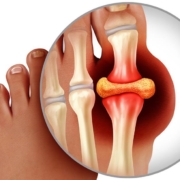
3) Swelling or Inflammation: Noticeable swelling, redness, or warmth in a joint or muscle area can signal an underlying condition that needs attention. Consulting a specialist can help determine the cause and appropriate treatment for these symptoms
Experiencing noticeable swelling, redness, or warmth in a joint or muscle area can be more than just an inconvenience; it often indicates an underlying condition that warrants professional evaluation. These symptoms may arise from various issues, including inflammatory arthritis, tendinitis, or even bursitis. Ignoring these signs could lead to further complications, so it’s crucial to pay attention to how your body is responding. If you notice any of these symptoms, it’s advisable to consult a specialist who can conduct a thorough assessment and recommend appropriate treatment options tailored to your specific needs.
To better understand the potential causes of swelling or inflammation, consider the following common conditions that may be at play:
| Condition | Symptoms | Recommended action |
|---|---|---|
| Inflammatory Arthritis | Joint pain, stiffness, and swelling | Consult a rheumatologist |
| Tendinitis | Pain and tenderness around a tendon | Visit an orthopedic specialist |
| Bursitis | Swelling and pain in joints | Seek advice from a physical therapist |
Recognizing these symptoms and understanding their implications can empower you to take proactive steps in managing your musculoskeletal health. By consulting with a specialist, you can receive the guidance necesary to address the root cause of your discomfort and develop a comprehensive treatment plan that alleviates your symptoms and improves your quality of life.
4) Pain After Injury: If you experience pain that persists or worsens after an injury, it’s crucial to seek expert advice. A specialist can evaluate the injury and recommend a tailored rehabilitation plan to promote healing and prevent further complications
Injuries can occur at any time, whether from a sports mishap, a fall, or even repetitive strain from daily activities. if you find yourself experiencing pain that lingers longer than expected or intensifies over time,it’s a signal that something may not be right. Ignoring persistent pain can lead to further complications, making it critical to consult a specialist who can provide an accurate diagnosis. They will assess the injury, taking into account your medical history and any physical limitations, to ensure you receive the best care possible.
Once evaluated, a specialist will devise a customized rehabilitation plan tailored to your specific needs. This plan may include a combination of therapeutic exercises, manual therapy, and modalities like ultrasound or electrical stimulation to enhance healing.Additionally, they may recommend lifestyle modifications or ergonomic adjustments to prevent future injuries. Here’s a quick overview of what a typical rehabilitation plan might include:
| rehabilitation component | Description |
|---|---|
| Therapeutic Exercises | Strengthening and flexibility exercises to restore function. |
| Manual Therapy | Hands-on techniques to relieve pain and improve mobility. |
| Education | Guidance on injury prevention and proper body mechanics. |
| follow-Up Care | Regular check-ins to monitor progress and adjust the plan. |
5) Numbness or Tingling: Experiencing unusual sensations like numbness, tingling, or weakness in your limbs can be concerning. These symptoms may indicate nerve involvement, and a specialist can provide the necessary evaluation and treatment options to address your concerns
Experiencing unusual sensations in your limbs, such as numbness, tingling, or weakness, can be more than just a fleeting discomfort; it may signal an underlying issue that requires professional attention. These symptoms frequently enough indicate that your nerves are involved, which can stem from various musculoskeletal conditions or even systemic issues. Recognizing when these sensations occur—whether sporadically or persistently—can provide crucial data for healthcare providers. It’s essential to pay attention to the context in which these symptoms arise, such as after physical activity, prolonged sitting, or even during sleep.
If you find yourself grappling with these sensations, consulting a specialist is vital. They can conduct a thorough evaluation to determine the root cause and suggest appropriate treatment options. Possible interventions may include:
- Physical therapy: Tailored exercises to improve strength and mobility.
- Medications: To manage pain or inflammation.
- Diagnostic imaging: MRI or CT scans to visualize nerve pathways.
Understanding the nature of your symptoms can empower you to seek the right care. If you notice a pattern or if these sensations are accompanied by other troubling signs, don’t hesitate to reach out to a healthcare professional who specializes in musculoskeletal pain.
Future Outlook
recognizing the signs that indicate it’s time to consult a specialist for musculoskeletal (MSK) pain is crucial for your well-being. Whether it’s persistent discomfort, limited mobility, or any of the other key indicators we’ve discussed, listening to your body is the first step toward effective treatment and recovery. Don’t let pain dictate your life; seeking professional guidance can pave the way for a clearer understanding of your condition and a tailored approach to healing. Remember, taking action today can lead to a healthier, more active tomorrow. Stay informed, stay proactive, and prioritize your health—because you deserve to move freely and live fully.






Leave a Reply
Want to join the discussion?Feel free to contribute!