
5 Simple Core Exercises to Alleviate Back Pain Effectively
5 Simple Core Exercises to Alleviate Back Pain Effectively
Back pain can be a persistent and frustrating companion, often hindering our daily activities and overall quality of life. While many seek relief through medications or therapies, the foundation of a strong and resilient back often lies in the core muscles. In this listicle, we will explore five simple yet effective core exercises designed to alleviate back pain and promote a healthier spine. Whether you’re a seasoned fitness enthusiast or just starting your wellness journey, these exercises require minimal equipment and can be easily integrated into your routine. By the end of this article, you’ll not only gain insights into strengthening your core but also discover how these movements can lead to lasting relief from discomfort. Let’s dive in and take the first step towards a pain-free back!
1) Plank: A classic core-strengthening exercise, the plank not only engages your abdominal muscles but also stabilizes your spine. By holding a straight line from head to heels, you strengthen your core and reduce strain on your back, making it an essential move for anyone looking to alleviate discomfort
The plank is a powerhouse move that transforms your core while promoting a strong and stable spine. By maintaining a straight line from head to heels, you activate not just your abdominal muscles but also your shoulders, back, and glutes. This full-body engagement is key to building endurance and strength, enhancing your overall functional fitness. It’s a versatile exercise that requires no equipment, making it easy to incorporate into any routine, whether at home or in the gym.
To perform the plank correctly, follow these steps:
- Start Position: Begin on your hands and knees, then extend your legs back, resting on your toes.
- Body Alignment: Ensure your body forms a straight line from your head to your heels, engaging your core throughout.
- Hold: Maintain this position for 20-60 seconds, focusing on steady breathing and avoiding sagging hips or raised shoulders.
- Progression: As you build strength, increase the duration or try variations like side planks or plank jacks.
Incorporating the plank into your routine can lead to significant benefits over time. Here’s a quick comparison of plank variations to help you diversify your workout:
| Plank Variation | Target Areas | Difficulty Level |
|---|---|---|
| Standard Plank | Core, Shoulders, Glutes | Intermediate |
| Side Plank | Obliques, Shoulders | Advanced |
| Plank Jacks | Core, Legs, Cardio | Advanced |
| Forearm Plank | Core, Back | Beginner |
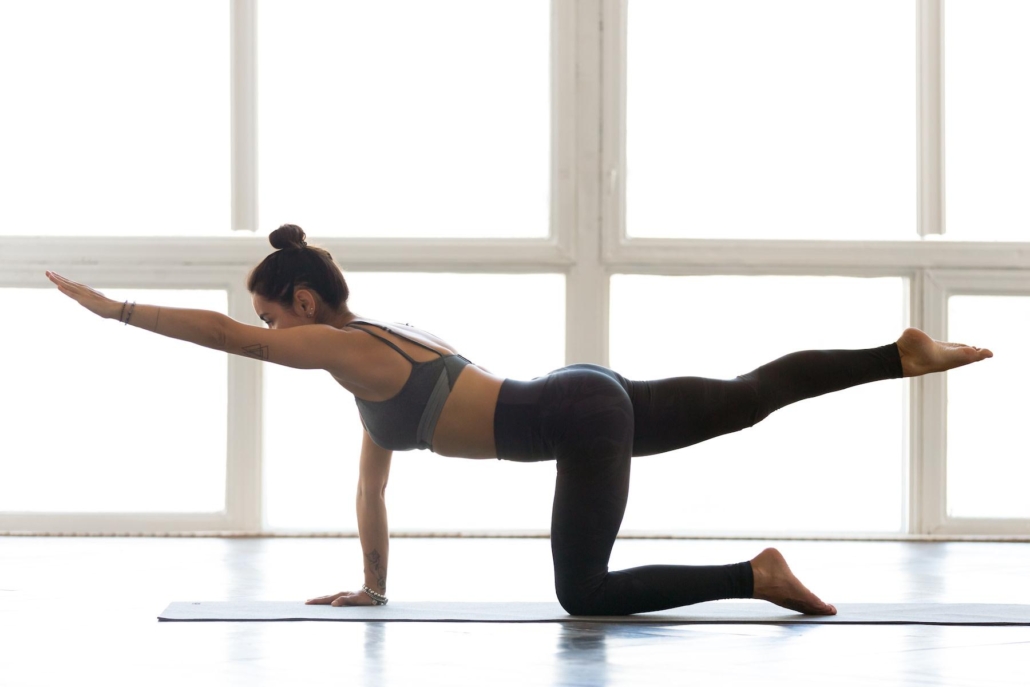
2) Bird-Dog: This dynamic exercise promotes balance while targeting both your core and lower back. By extending one arm forward and the opposite leg back, you engage your stabilizing muscles, enhancing coordination and support for your spine, which can lead to significant pain relief
Engaging in this exercise not only strengthens your core but also enhances overall body coordination. As you extend one arm forward while simultaneously reaching back with the opposite leg, you create a stable foundation that challenges your balance. This dynamic movement requires your stabilizing muscles to activate, promoting better posture and spinal alignment. The beauty of this exercise lies in its simplicity; it can be performed on a mat or even on a soft surface, making it accessible for all fitness levels.
To maximize the benefits, focus on maintaining a neutral spine and avoiding any sagging in your lower back. Here’s how to perform it effectively:
- Start Position: Begin on all fours, with your hands directly under your shoulders and knees under your hips.
- Movement: As you inhale, extend your right arm forward and your left leg back, keeping your hips level.
- Hold: Maintain this position for a few seconds, engaging your core throughout.
- Return: Exhale as you return to the starting position and switch sides.
| Key Benefits | Description |
|---|---|
| Core Strength | Targets abdominal muscles, enhancing stability. |
| Balance Improvement | Challenges your coordination, leading to better balance. |
| Spinal Support | Promotes proper alignment, reducing back pain. |
3) Bridge: The bridge exercise is a fantastic way to strengthen your glutes and lower back. By lying on your back and lifting your hips towards the ceiling, you not only activate your core but also relieve tension in your back, creating a supportive foundation for your spine
The bridge exercise is a game-changer when it comes to strengthening your glutes and lower back. By lying on your back with your knees bent and feet flat on the floor, you can engage multiple muscle groups simultaneously. As you lift your hips towards the ceiling, focus on squeezing your glutes and keeping your core tight. This movement not only targets the posterior chain but also enhances stability in your pelvis and spine, which is crucial for maintaining good posture throughout the day.
In addition to its strengthening benefits, the bridge also serves as a fantastic way to relieve tension in your lower back. When performed correctly, this exercise can create a supportive foundation for your spine, allowing for improved alignment and reduced discomfort. To maximize your results, consider incorporating variations such as the single-leg bridge or the elevated bridge. Here’s a quick overview of how to perform the basic bridge exercise:
| Step | Action |
|---|---|
| 1 | Lie on your back with knees bent and feet flat. |
| 2 | Engage your core and squeeze your glutes. |
| 3 | Lift your hips towards the ceiling. |
| 4 | Hold for a few seconds, then lower back down. |
4) Dead Bug: This playful yet effective exercise involves lying on your back and alternating arm and leg movements. The dead bug helps to improve core stability and coordination, ensuring that your back is well-supported during daily activities, which can help reduce pain over time
The Dead Bug exercise is a delightful way to engage your core while ensuring your movements are both controlled and deliberate. To begin, lie flat on your back with your arms extended toward the ceiling and your knees bent at a 90-degree angle, feet lifted off the ground. As you exhale, lower your right arm and left leg simultaneously, keeping your lower back pressed against the floor. Inhale as you return to the starting position and then switch sides. This alternating motion not only fosters coordination but also promotes core stability, which is crucial for maintaining a healthy spine.
Incorporating the Dead Bug into your routine has numerous benefits that extend beyond just core strength. By practicing this exercise regularly, you can enhance your overall body awareness and balance. Additionally, it helps to create a solid foundation for other movements in your daily life, reducing the risk of injuries. Here’s a quick overview of the key benefits:
| Benefit | Description |
|---|---|
| Core Stability | Strengthens the muscles that support your spine. |
| Improved Coordination | Enhances the ability to control movements. |
| Reduced Back Pain | Supports proper posture and spinal alignment. |
| Injury Prevention | Builds a strong foundation for all physical activities. |
5) Cat-Cow Stretch: This gentle flow between two positions helps to increase flexibility and relieve tension in the spine. By moving between arching and rounding your back, you promote blood flow and mobility, making this stretch a soothing addition to your routine for back pain relief
The Cat-Cow stretch is a delightful way to harmonize your breath with movement, creating a rhythmic flow that not only feels good but also enhances your spinal flexibility. Begin in a tabletop position, with your wrists aligned under your shoulders and your knees under your hips. As you inhale, arch your back, allowing your belly to drop towards the mat while lifting your head and tailbone towards the sky. This is the Cat position, fostering openness in your chest and shoulders. On the exhale, round your spine, tucking your chin to your chest and drawing your belly button towards your spine, transitioning into the Cow position. This gentle undulation helps to alleviate tension, making it an ideal stretch for anyone experiencing back discomfort.
Incorporating this simple yet effective stretch into your daily routine can lead to significant improvements in your overall well-being. Consider the following benefits of the Cat-Cow stretch:
- Increases spinal flexibility: Regular practice helps maintain and improve mobility.
- Enhances blood flow: The gentle movement promotes circulation, nourishing your spine.
- Relieves tension: This flow helps to release built-up stress in the back muscles.
- Improves posture: Engaging in this stretch encourages awareness of body alignment.
In Summary
As we wrap up our exploration of these five simple core exercises designed to alleviate back pain, remember that consistency is key. Integrating these movements into your daily routine can not only strengthen your core but also promote better posture and overall spinal health. Whether you’re a seasoned fitness enthusiast or just starting your journey, these exercises are accessible and can be tailored to fit your individual needs.
Always listen to your body, and don’t hesitate to consult a healthcare professional if you have any concerns. With a little dedication and mindfulness, you can take significant steps toward a pain-free back and a more active lifestyle. Here’s to embracing movement and nurturing your well-being—one exercise at a time!






Leave a Reply
Want to join the discussion?Feel free to contribute!