
5 Unexpected Habits That Damage Your Joints—and How to Fix Them
5 Unexpected Habits That Damage Your Joints—and How to Fix Them
When it comes to joint health, most of us are quick to think about the obvious culprits: heavy lifting, high-impact sports, or even age-related wear and tear. However, some of the habits we engage in daily may be silently sabotaging our joints without us even realizing it.In this listicle, we’ll uncover five unexpected habits that could be harming your joints and provide practical solutions to help you protect and preserve your mobility. From seemingly innocuous routines to common lifestyle choices, you’ll gain insights into how to adjust your habits for better joint health. By the end, you’ll be equipped with knowledge and actionable tips to safeguard your joints, ensuring they stay strong and flexible for years to come. Let’s dive in!
1) Sitting Cross-Legged: While it may feel comfortable to sit cross-legged, this position can place undue stress on your knees and hips over time. To alleviate this strain, try sitting with both feet flat on the floor or use a supportive chair that encourages proper posture
Sitting with your legs crossed may seem like a cozy way to settle down, but this position can lead to notable joint discomfort over time. The pressure exerted on your knees and hips can create misalignments and strain, especially if you spend long hours in this posture. To mitigate these risks, consider transitioning to a more supportive seating arrangement. Here are some alternatives to consider:
- Feet Flat on the Floor: This position helps distribute your weight evenly and encourages a natural spinal alignment.
- Supportive Chair: Opt for a chair that offers lumbar support, allowing your back to maintain its natural curve while keeping your feet grounded.
- Use Cushions: If you prefer sitting on the floor,try using a cushion to elevate your hips above your knees,which can help reduce tension in your joints.
By making these small adjustments, you can considerably decrease the strain on your joints and promote better overall posture. Consider incorporating regular breaks into your routine to stand, stretch, and move around. This not only aids in joint health but also enhances circulation and reduces fatigue. Below is a simple comparison of sitting positions and their potential effects on your joints:
| Seating Position | Joint Impact | Recommended Alternatives |
|---|---|---|
| Cross-Legged | increased stress on knees and hips | Feet flat on the floor, supportive chair |
| slouched | Pressure on lower back | Ergonomic chair with lumbar support |
| Sitting on Hard Surfaces | Discomfort and pressure points | Cushioned seats or mats |
2) Ignoring Footwear: The shoes you wear can significantly impact your joint health.High heels and unsupportive footwear can lead to misalignment and pain in your knees and hips. Opt for shoes with good arch support and cushioning to help maintain proper alignment and reduce joint stress
Many people underestimate the role that footwear plays in their overall joint health. Choosing the wrong shoes can lead to a cascade of issues that affect not just your feet, but also your knees, hips, and even your back. high heels,for instance,can throw off your body’s natural alignment,placing undue stress on your joints. Similarly, unsupportive sneakers or flats can fail to provide the necessary cushioning and arch support, resulting in pain and discomfort. To protect your joints, it’s essential to prioritize comfort and support when selecting your footwear.
When shopping for shoes, consider these key features to enhance your joint health:
- Arch Support: Look for shoes that offer adequate arch support to maintain proper foot alignment.
- Cushioning: Shoes with good cushioning can absorb impact and reduce stress on your joints.
- Heel Height: Opt for a lower heel to minimize strain on your knees and hips.
- Fit: Ensure your shoes fit well; too tight or too loose can lead to joint misalignment.
| Footwear Type | Joint Impact |
|---|---|
| High Heels | Increased pressure on knees and hips |
| Flip flops | Minimal support leading to instability |
| Old Sneakers | worn-out cushioning causing joint pain |
| Supportive Athletic Shoes | Promotes alignment and reduces stress |
3) Overusing Your Phone: Constantly looking down at your phone can lead to text neck,which affects your cervical spine and shoulders. To combat this, practice holding your phone at eye level and take regular breaks to stretch your neck and shoulders throughout the day
In our tech-driven world, it’s all too easy to find ourselves hunched over our phones, scrolling through social media or responding to messages. This habit can lead to a painful condition known as “text neck,” where the cervical spine and shoulders bear the brunt of poor posture. To counteract the strain, it’s essential to be mindful of how we use our devices. Instead of letting your head droop down, try to hold your phone at eye level. This small adjustment can significantly reduce the stress on your neck and spine.
Additionally, incorporating regular breaks into your routine can work wonders for your joint health. Set a timer to remind yourself to step away from your screen every 30 minutes. During these breaks, take a moment to perform simple stretches that target your neck and shoulders. Consider these effective stretches:
- neck Tilts: gently tilt your head to one side, holding for 15-30 seconds, then switch sides.
- Shoulder Rolls: Roll your shoulders forward and backward in a circular motion to relieve tension.
- Chest Opener: Clasp your hands behind your back and gently lift to stretch your chest and shoulders.
4) Skipping Warm-Ups: Jumping straight into exercise without warming up can put your joints at risk of injury. Incorporate a proper warm-up routine that includes dynamic stretches and light movements to prepare your joints for more intense activity, reducing the risk of strain
Jumping straight into your workout without a proper warm-up can be a recipe for disaster, especially for your joints. When you skip this crucial step, your muscles and connective tissues aren’t adequately prepared for the demands of exercise, which increases the likelihood of strain and injury. To safeguard your joints, it’s essential to incorporate a warm-up routine that includes dynamically stretching and engaging in light movements. These activities gradually elevate your heart rate and increase blood flow to your muscles, making them more pliable and less susceptible to damage.
Consider the following elements to include in your warm-up routine:
- Dynamic Stretches: Arm circles, leg swings, and torso twists.
- light Cardio: Jogging in place or brisk walking to get your blood pumping.
- Joint Mobility Exercises: Ankle rolls, wrist rotations, and hip openers.
By dedicating just a few minutes to these preparatory moves, you can significantly improve your performance and protect your joints from needless wear and tear. Remember, a proper warm-up is not just a formality; it’s a vital step in any exercise regimen that can lead to long-term joint health.
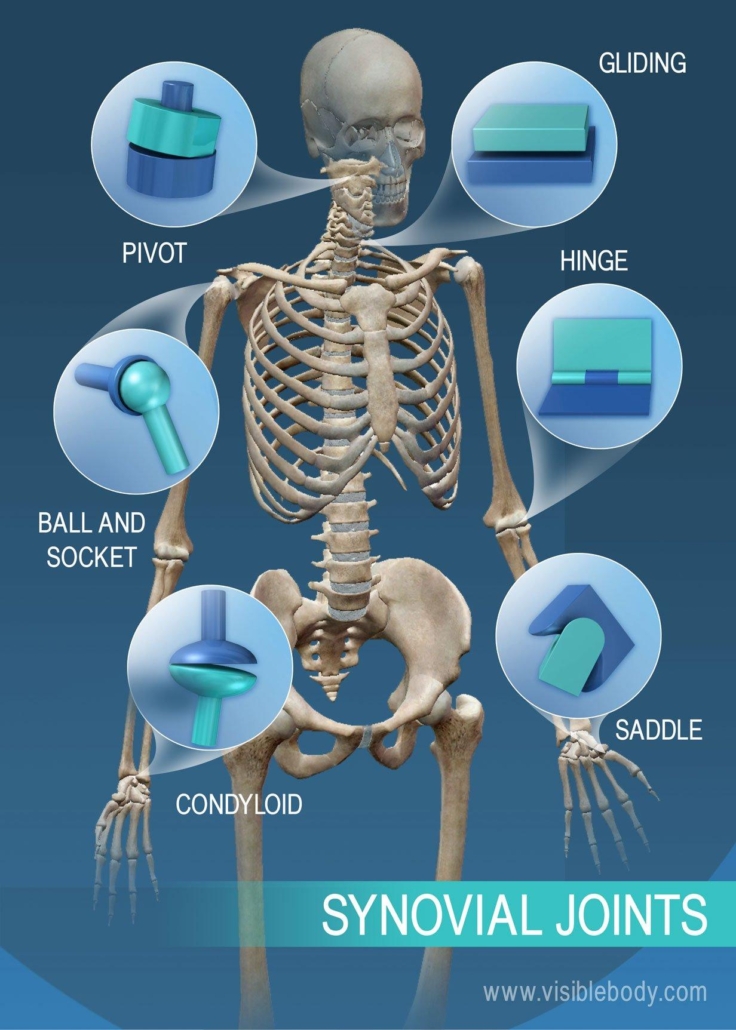
5) Neglecting hydration: Dehydration can lead to joint stiffness and discomfort, as your joints rely on synovial fluid for lubrication. Make it a habit to drink plenty of water throughout the day, especially before and after exercise, to keep your joints healthy and functioning smoothly
Many people underestimate the importance of hydration, but it plays a crucial role in maintaining joint health. When your body is dehydrated, the synovial fluid that lubricates your joints diminishes, leading to increased friction and discomfort. This can result in joint stiffness, making it difficult to perform everyday activities. To combat this, make it a priority to drink water consistently throughout the day, aiming for at least 8 to 10 cups, depending on your activity level and climate. Remember, hydration needs can vary, so listen to your body and adjust accordingly.
In addition to regular water intake, timing your hydration can also enhance joint function. Consider the following tips to optimize your hydration habits:
- Pre-Workout: Drink a glass of water 30 minutes before exercising to prepare your joints.
- During Exercise: Sip water every 15-20 minutes during your workout to maintain fluid levels.
- Post-Workout: Replenish lost fluids with water or electrolyte drinks to aid recovery.
To help you keep track of your hydration, consider using a simple table to monitor your daily water intake:
| Time of Day | Recommended Intake |
|---|---|
| morning | 2 cups |
| Before Lunch | 2 cups |
| Afternoon | 2 cups |
| Before Dinner | 1 cup |
| Evening | 1 cup |
Closing Remarks
As we wrap up our exploration of the five unexpected habits that can silently sabotage your joint health, remember that awareness is the first step toward improvement. By recognizing these seemingly innocuous behaviors and making simple adjustments, you can significantly enhance your comfort and mobility. Whether it’s rethinking your seating posture, incorporating gentle stretches, or being mindful of your daily routines, small changes can lead to big benefits.
Your joints deserve the best care, and it’s never too late to start making more informed choices.So take a moment to reflect on your habits and consider implementing the tips we’ve shared. With a little dedication, you can pave the way to healthier joints and a more active lifestyle. Here’s to moving freely and living fully—one mindful habit at a time!








Leave a Reply
Want to join the discussion?Feel free to contribute!