
5 Warning Signs of Osteoporosis You Shouldn’t Overlook

Osteoporosis, often dubbed the “silent thief of bone,” can creep up on individuals without any noticeable symptoms until a fracture occurs. this condition, characterized by weakened bones, affects millions worldwide, making it crucial to stay informed about its warning signs. In this listicle, we will explore 5 warning signs of osteoporosis you shouldn’t overlook. By the end, you’ll have a clearer understanding of what to watch for and how to take proactive steps in safeguarding your bone health. Whether you’re in a high-risk group or simply want to stay informed, recognizing these signs can empower you to seek timely intervention and maintain a healthier lifestyle. Let’s dive in!
1) Unexplained Fractures: If you find yourself suffering from fractures or breaks from minor falls or bumps, it could be a red flag. Osteoporosis can weaken bones to the point where they shatter under pressure that wouldn’t typically cause injury
Experiencing fractures or breaks from seemingly trivial incidents can be alarming, and it’s crucial to pay attention to these signs. When bones are compromised by osteoporosis, they lose their strength and density, making them more susceptible to injury.A simple slip on a wet floor or a minor bump against furniture can result in a fracture that would typically be considered minor.If you find yourself frequently nursing these injuries, it might be time to consult a healthcare professional for a thorough assessment of your bone health.
Understanding the implications of unexplained fractures is essential. The following factors can contribute to the severity of the condition:
- Age: Bone density naturally decreases with age.
- Gender: Women are at a higher risk post-menopause due to hormonal changes.
- Family History: A genetic predisposition can significantly increase your risk.
- Diet: Calcium and vitamin D deficiencies can exacerbate bone weakness.
recognizing these risk factors can empower you to take proactive measures in maintaining your bone health. If you notice an increase in your fracture incidents, consider discussing preventive strategies with your doctor to help mitigate the risks associated with osteoporosis.
2) loss of Height: Have you noticed that you seem to be a bit shorter than you used to be? A gradual loss of height can be a sign of vertebral fractures caused by weakened bones, signaling the onset of osteoporosis
As we age, many of us may notice subtle changes in our bodies, and one of the most alarming can be a gradual loss of height. This phenomenon often goes unnoticed until we find ourselves standing next to someone we once towered over. A decrease in height can be a red flag for vertebral fractures,which occur when the bones in the spine weaken due to osteoporosis. These fractures may not always be painful, making them easy to overlook, but they can significantly impact your overall posture and mobility.
It’s essential to pay attention to these changes, as they could indicate that your bones are becoming increasingly fragile. Here are some key points to consider:
- regular Check-Ins: Monitor your height annually to catch any meaningful changes early.
- Posture Awareness: Notice if you are slouching more than usual; this can be a sign of spinal compression.
- consult a Professional: If you suspect a loss of height, a healthcare provider can assess your bone health and recommend appropriate tests.
3) Back Pain: Persistent back pain, especially if it feels like it’s coming from the spine, may indicate a compression fracture. This type of pain can often be overlooked,but it’s crucial to pay attention to your body’s signals
Persistent back pain,particularly if it feels localized around the spine,can be a red flag for a compression fracture,a common result of osteoporosis. Unlike typical muscle soreness or strain, this type of pain may present as a sharp or dull ache that doesn’t seem to improve with rest. It’s essential to consider factors such as age,activity level,and any recent falls,as these can all contribute to the risk of fractures. If you notice this discomfort becoming a regular part of your life, it’s crucial to consult a healthcare professional to rule out serious underlying issues.
many individuals dismiss back pain as a natural part of aging or a result of daily activities, but ignoring these signals can lead to significant complications. In addition to persistent pain, you might also experience other symptoms, such as reduced mobility or height loss.To better understand the implications of back pain related to osteoporosis,consider the following table outlining key indicators:
| Symptom | Potential Indicator |
|---|---|
| persistent Back Pain | Possible Compression Fracture |
| Height Loss | spinal Compression |
| Limited Mobility | Increased Risk of Falls |
4) Stooped posture: If you’ve started to notice a hunch or stooped posture in the mirror,it could be more than just aging. A rounded back can be a result of vertebral fractures, which are common in individuals with osteoporosis
If you’ve caught a glimpse of yourself in the mirror and noticed a hunch or a stooped posture, it’s time to pay attention. While many might dismiss this change as a natural part of aging, it can signal something more serious. A rounded back, medically known as kyphosis, can indicate vertebral fractures, which are particularly common in those suffering from osteoporosis. These fractures occur when bones become weak and brittle, making them susceptible to breaking even from minor falls or strains. If you find yourself leaning forward more than you used to, it’s essential to consult with a healthcare professional.
To better understand the implications of a stooped posture, consider the following factors that can contribute to this condition:
- Bone density loss: Osteoporosis leads to a decrease in bone density, increasing the risk of fractures.
- Muscle Weakness: Weak back muscles can exacerbate poor posture, leading to further spinal issues.
- Balance Issues: A hunched back can affect your center of gravity, making you more prone to falls.
- Chronic Pain: A rounded back can lead to discomfort and pain, impacting daily activities.
recognizing these signs early can make a significant difference in managing your bone health. Here’s a rapid overview of how a stooped posture relates to osteoporosis:
| Sign | Potential impact |
|---|---|
| Stooped Posture | Increased risk of vertebral fractures |
| Reduced Mobility | Difficulty in performing everyday tasks |
| Chronic Pain | Lower quality of life |
5) Tooth Loss: while dental health is often seen as separate from bone health,losing teeth can be a sign of osteoporosis. The condition can affect the jawbone, leading to tooth instability and loss, making it an important symptom to monitor
While many people associate dental health solely with oral hygiene, the condition of your teeth can provide crucial insights into your overall bone health. Tooth loss is not just a cosmetic concern; it can signal underlying issues such as osteoporosis. When the bones in your jaw weaken due to this condition, it can lead to instability in your teeth, making them more prone to loss. This connection between dental and bone health highlights the importance of regular dental check-ups, as your dentist may be able to identify early signs of bone density loss that you might not notice otherwise.
Monitoring your dental health can be a proactive step in assessing your risk for osteoporosis. Consider the following signs that may indicate a problem:
- Loose teeth: If your teeth feel unstable or shift when you bite down.
- Frequent cavities: An increase in cavities may suggest weakening bones that support your teeth.
- gum disease: Persistent gum issues can be linked to bone loss in the jaw.
By paying attention to these symptoms, you can take action early. If you notice any of these signs, it’s advisable to consult with both your dentist and healthcare provider to explore potential underlying causes and appropriate treatments.
Final Thoughts
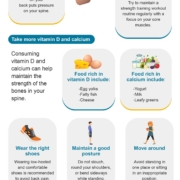
As we wrap up our exploration of the five warning signs of osteoporosis that shouldn’t be overlooked, it’s essential to remember that knowledge is power. By staying vigilant and aware of these subtle signals, you can take proactive steps toward safeguarding your bone health. Regular check-ups, a balanced diet rich in calcium and vitamin D, and a commitment to physical activity are all vital components of maintaining strong bones. If you notice any of these warning signs in yourself or a loved one, don’t hesitate to consult a healthcare professional. After all, understanding your body is the first step in preventing potential health issues. Stay informed, stay active, and take charge of your bone health today!




Leave a Reply
Want to join the discussion?Feel free to contribute!