
7 Essential Questions for Your Physical Therapist on MSK Care
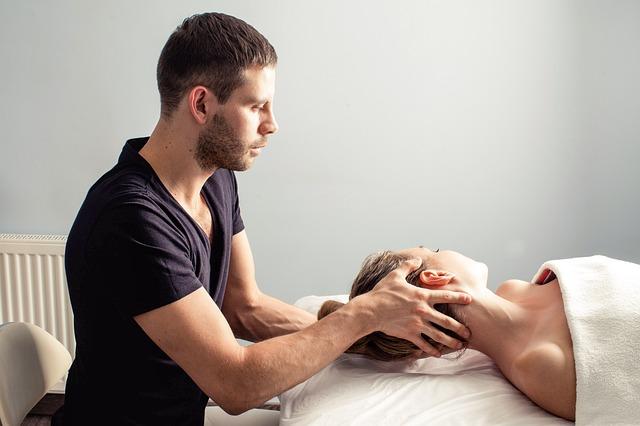
When it comes to musculoskeletal (MSK) care, having an open dialogue with your physical therapist can make all the difference in your recovery journey. Whether you’re dealing with chronic pain, a recent injury, or simply seeking to improve your overall mobility, asking the right questions can empower you to take charge of your health. In this listicle, we’ll explore 7 essential questions that will not only enhance your understanding of your condition but also foster a collaborative relationship with your therapist. From clarifying treatment options to discussing preventive measures, these inquiries will equip you with the knowledge you need to navigate your path to wellness. Get ready to unlock insights that can transform your MSK care experience!
1) What specific treatment approaches do you recommend for my condition, and how will they address my unique needs?
When discussing treatment approaches, it’s crucial to consider a tailored plan that addresses your specific condition and lifestyle. Your physical therapist may recommend a combination of techniques designed to enhance your recovery and overall well-being. These could include:
- Manual Therapy: Hands-on techniques to alleviate pain and improve mobility.
- Therapeutic Exercises: Customized exercise regimens that focus on strength, versatility, and endurance.
- Modalities: Use of heat, cold, or electrical stimulation to reduce pain and inflammation.
- Education: Guidance on posture, body mechanics, and self-management strategies to prevent future issues.
Each of these approaches can be adapted based on your unique needs. For instance, if you have a sedentary lifestyle, your therapist might prioritize gentle exercises to gradually build your strength. alternatively, if you are an athlete, the focus might shift to sport-specific rehabilitation techniques. To illustrate this adaptability,consider the following table:
| Condition | Recommended Treatment | Expected Outcome |
|---|---|---|
| Chronic Back Pain | Manual Therapy + Core Strengthening | Improved Mobility + Reduced Pain |
| Sports Injury | Therapeutic Exercises + Modalities | Faster Recovery + Return to Sport |
| Post-Surgery | Education + Gradual Rehabilitation | Enhanced Healing + Prevent Complications |
2) How can I integrate exercises into my daily routine to enhance my recovery and maintain my mobility?
Integrating exercises into your daily routine doesn’t have to be overwhelming. Start by identifying small, manageable activities that can seamlessly fit into your day. For instance, consider these simple adjustments:
- Morning Stretching: Dedicate 5-10 minutes each morning to gentle stretches to wake up your muscles.
- Walk and Talk: If you have phone calls or virtual meetings, try pacing around your home or office.
- Desk Exercises: Incorporate stretches or seated leg lifts during breaks to keep your body active while working.
- Evening Wind Down: Conclude your day with a relaxing yoga session or light stretching to promote recovery.
Additionally,consider creating an exercise schedule that aligns with your lifestyle. You can use a table to track your progress and motivate yourself:
| Day | Activity | duration |
|---|---|---|
| Monday | Morning Stretching | 10 minutes |
| Tuesday | Walk during calls | 20 minutes |
| Wednesday | Desk Exercises | 5 minutes |
| Thursday | Evening Yoga | 15 minutes |
| Friday | Outdoor Walk | 30 minutes |
By establishing a routine and tracking your activities, you’ll not only enhance your recovery but also maintain your mobility effectively. Remember, consistency is key, and every little bit counts towards your overall well-being!
3) What signs should I look for that indicate my condition is improving or worsening during our treatment?
Understanding the signs of betterment or deterioration in your condition during treatment is crucial for effective management. Positive indicators that suggest your condition is improving may include:
- Increased range of motion in affected areas
- Reduced pain levels during daily activities
- Improved strength and endurance
- Enhanced ability to perform physical tasks
- Greater overall functionality and independence
On the other hand, it’s equally notable to recognize warning signs that may indicate your condition is worsening. Look out for:
- Increased pain or discomfort that doesn’t subside
- Swelling or inflammation in the treatment area
- Decreased mobility or range of motion
- new symptoms that arise unexpectedly
- Fatigue that interferes with daily activities
4) Can you provide guidance on pain management techniques that I can use at home?
Managing pain at home can be an empowering experience, allowing you to take control of your well-being. Here are some effective techniques to consider:
- Heat Therapy: Applying a heating pad or warm towel can help relax tense muscles and improve blood flow, providing relief from discomfort.
- Cold Therapy: Ice packs or cold compresses can reduce inflammation and numb sharp pain, making them ideal for acute injuries.
- Gentle Stretching: Incorporating light stretches into your routine can enhance flexibility and alleviate stiffness, contributing to overall pain reduction.
- Meditation and Deep Breathing: Mindfulness practices can help manage pain perception by promoting relaxation and reducing stress.
In addition to these methods,consider keeping a pain diary to track your symptoms and identify triggers. This can help you and your therapist tailor your pain management strategies effectively. Here’s a simple table to help you understand different techniques and their benefits:
| Technique | Benefits |
|---|---|
| Heat Therapy | Relaxes muscles, improves circulation |
| Cold Therapy | Reduces inflammation, numbs pain |
| Gentle Stretching | Enhances flexibility, alleviates stiffness |
| Meditation | Promotes relaxation, reduces stress |
5) How often should I schedule appointments for optimal results, and what should I expect during each session?
To achieve optimal results in your musculoskeletal (MSK) care, it’s essential to establish a consistent appointment schedule with your physical therapist. Generally, a frequency of 1-2 times per week is recommended, especially during the initial phase of your treatment. This allows your therapist to closely monitor your progress, make necessary adjustments to your treatment plan, and provide you with the guidance needed to improve your condition effectively.As you start to see improvements, the frequency might potentially be adjusted to once every two weeks or even monthly, depending on your specific needs and goals.
During each session, you can expect a variety of activities tailored to your recovery. here’s what typically happens:
- Assessment: Your therapist will evaluate your progress, noting any changes in pain levels or mobility.
- Manual Therapy: Techniques such as massage or joint mobilization might potentially be employed to alleviate pain and improve function.
- exercise Therapy: You’ll engage in targeted exercises designed to strengthen muscles and enhance flexibility.
- Education: Your therapist will provide valuable insights on posture, body mechanics, and self-care strategies.
- Goal Setting: Together, you’ll set realistic goals for your continued recovery.
| Session Frequency | Typical Activities |
|---|---|
| 1-2 times/week | Assessment, Manual Therapy, Exercise Therapy |
| Every 2 weeks | Progress Review, Advanced Exercises |
| Monthly | Goal Setting, Maintenance Strategies |
Key Takeaways
As we wrap up our exploration of the seven essential questions to ask your physical therapist about musculoskeletal (MSK) care, remember that knowledge is your greatest ally in the journey toward recovery and wellness. These questions not only empower you to take an active role in your treatment but also foster a collaborative relationship with your therapist, ensuring that your care is tailored to your individual needs.
Whether you’re navigating pain, improving mobility, or striving for peak performance, open dialogue is key. Don’t hesitate to revisit these questions in your next session, and let them guide you in making informed decisions about your health. After all,your body is your most valuable asset—invest in it wisely.
Thank you for joining us on this informative journey. Here’s to your health and the road ahead!







Leave a Reply
Want to join the discussion?Feel free to contribute!