
5 Warning Signs of Osteoporosis You Can’t Afford to Overlook
5 Warning Signs of Osteoporosis You Can’t Afford to Overlook
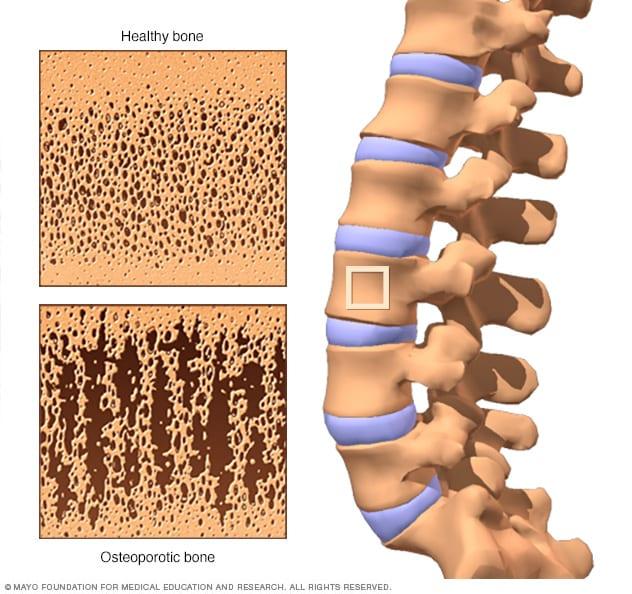
As we journey through life, our bones silently support us, frequently enough without a second thought. However, the reality is that bones can become fragile and weak over time, leading to a condition known as osteoporosis. This silent thief can compromise our strength and mobility, making it crucial to recognize its early warning signs.In this listicle, we’ll explore five critical indicators that your bones might potentially be at risk. By understanding these signs, you’ll be better equipped to take proactive steps towards maintaining your bone health. Whether you’re in your 30s or 60s, this knowledge is essential for anyone looking to safeguard their future. Join us as we delve into the subtle clues your body may be sending you, and learn how to act before it’s too late.
1) Unexplained Fractures: If you find yourself experiencing fractures from minor falls or everyday activities, it could be a red flag for osteoporosis. These unexpected breaks can occur in the wrist, hip, or spine, signaling that your bones might potentially be weaker than they should be
Fractures that occur from seemingly harmless incidents can be alarming, especially when they happen without any significant trauma.If you find yourself nursing a broken wrist after a simple slip on the stairs or a fractured hip from stepping off a curb, it’s time to pay attention. These types of injuries are often the first indication that your bones may not be as strong as they should be. The body’s skeletal structure is designed to withstand everyday stresses, so unexpected fractures can serve as a crucial warning sign that your bone density is declining.
Common sites for these unexplained breaks include:
- wrist: Frequently enough sustained during falls, this fracture can hinder daily activities.
- Hip: A fracture in this area can significantly impact mobility and independence.
- Spine: Compression fractures can occur without any noticeable trauma, leading to chronic pain.
Recognizing these fractures as potential indicators of osteoporosis is essential for timely intervention. Early diagnosis and treatment can definitely help manage the condition and prevent further bone loss, allowing you to maintain a healthier, more active lifestyle.
2) Loss of Height: Have you noticed that you seem to be a bit shorter than you used to be? A decrease in height can be a sign of vertebral fractures caused by osteoporosis, as the bones in your spine weaken and compress, leading to a stooped posture
Have you ever caught yourself measuring your height and wondered if the number has slipped? A gradual decrease in height can be more than just an annoying surprise; it could be an indicator of underlying issues like vertebral fractures linked to osteoporosis. As the bones in your spine weaken, they can compress, leading to a condition known as kyphosis, where the upper back curves forward. This stooped posture not only affects your appearance but can also impact your overall health and mobility.
It’s crucial to pay attention to other accompanying symptoms that may arise with height loss. Consider the following signs that could indicate osteoporosis:
- Back Pain: Persistent pain in the back could signal vertebral fractures.
- Loss of Stamina: Feeling fatigued during daily activities might be linked to weakened bones.
- Frequent Fractures: Experiencing breaks from minor falls can suggest bone fragility.
To better understand the impact of height loss, take a look at the table below that outlines the potential consequences of vertebral compression fractures:
| Outcome | Description |
|---|---|
| Reduced Mobility | Difficulty in performing everyday tasks and activities. |
| Chronic Pain | Ongoing discomfort that can affect quality of life. |
| decreased lung Capacity | A stooped posture can limit lung expansion, affecting breathing. |
3) Back Pain: Persistent or unexplained back pain, especially if it’s localized in the lower back, could indicate a fracture in the vertebrae. This pain might be a subtle sign that your bones are losing density and strength, warranting a closer look
Experiencing persistent or unexplained back pain, especially in the lower back, should not be dismissed as a mere inconvenience. This discomfort may be a subtle indication of a more serious issue, such as a fracture in the vertebrae, wich can arise from weakened bones due to osteoporosis. As our bones lose density and strength, even minor strains or everyday activities can lead to fractures that manifest as localized pain. Thus,if you find yourself dealing with ongoing back pain,it’s crucial to consult a healthcare provider for a thorough evaluation.
Understanding the characteristics of this back pain can further aid in recognizing its significance. Look out for the following features:
- Location: Pain concentrated in the lower back.
- Duration: Pain that persists for weeks without advancement.
- Intensity: Discomfort that worsens with movement or certain positions.
being proactive about these symptoms can lead to early detection and management of osteoporosis. A simple assessment can make a significant difference in your bone health and overall well-being.
4) Changes in Posture: If you find yourself slouching or developing a hunched back, it might potentially be more than just a bad habit. These changes in posture can be a direct result of weakened bones in the spine, frequently enough associated with osteoporosis
Posture plays a significant role in our overall health, and noticeable changes can signal underlying issues. If you find yourself slouching or developing a hunched back, it may be more than just a bad habit. This shift in alignment often stems from weakened bones in the spine, a condition frequently associated with osteoporosis. As the bones lose density, they become less capable of supporting the body’s weight, leading to a stooped appearance that can affect both physical health and self-esteem.
additionally, the body’s natural response to discomfort can exacerbate these changes. You might find yourself unconsciously adjusting your posture to alleviate pain or discomfort, creating a cycle that further weakens spinal integrity. Some signs to watch for include:
- rounded shoulders: A common indicator of weakened spinal support.
- Increased curvature of the spine: frequently enough referred to as kyphosis,this can lead to chronic back pain.
- Difficulty standing up straight: A struggle to maintain an upright position can signal significant bone loss.
Recognizing these changes early can be crucial in addressing osteoporosis before it progresses. Regular check-ups and bone density tests can help monitor your bone health, allowing for timely interventions.
5) Dental Issues: Frequent dental problems, such as loose teeth or gum disease, can also be linked to osteoporosis. The condition can affect the bones that support your teeth, making it crucial to pay attention to your oral health as part of your overall bone health
Dental health is often overlooked when considering overall bone health, yet it plays a crucial role in identifying potential osteoporosis risks.Individuals experiencing frequent dental issues, such as loose teeth or persistent gum disease, should take note. These conditions may indicate that the bones supporting the teeth are weakening, a common symptom associated with osteoporosis. The connection between oral health and bone density highlights the importance of regular dental check-ups, as your dentist can definitely help detect early signs of bone loss that might not be visible elsewhere.
To better understand the impact of osteoporosis on dental health, consider the following factors:
- Bone Density: Decreased bone density can lead to weakened jaw bones, affecting tooth stability.
- Gum Disease: Osteoporosis may exacerbate gum disease, leading to inflammation and tooth loss.
- tooth Loss: Individuals with osteoporosis are at higher risk of losing teeth due to compromised bone structure.
Maintaining a healthy diet rich in calcium and vitamin D, alongside regular dental visits, can significantly contribute to better oral and bone health. It’s essential to stay vigilant about any changes in your dental condition, as they can serve as warning signs for osteoporosis.
Closing Remarks
As we wrap up our exploration of the five warning signs of osteoporosis, it’s essential to remember that knowledge is your best ally in maintaining bone health. By staying vigilant and recognizing these signs early, you can take proactive steps towards prevention and management.whether it’s scheduling regular check-ups, incorporating bone-strengthening exercises, or adjusting your diet, every action counts. prioritize your well-being and empower yourself with information—as when it comes to osteoporosis, being informed is the first step toward a stronger future. Take care of your bones today, and they’ll take care of you tommorow.





Leave a Reply
Want to join the discussion?Feel free to contribute!