
7 Essential MSK Self-Care Tips for a Pain-Free Life
7 Essential MSK Self-Care Tips for a Pain-Free Life
In our fast-paced world, where movement is often taken for granted, musculoskeletal (MSK) health can easily fall by the wayside. Whether you’re an avid athlete, a dedicated desk worker, or someone who simply wants to enjoy life without the nagging discomfort of pain, understanding how to care for your body is crucial. In this listicle, we’ll explore seven essential self-care tips that can help you maintain optimal MSK health and pave the way for a pain-free life. From simple stretches to mindful practices, you’ll discover practical strategies that not only enhance your physical well-being but also empower you to take control of your health journey. Read on to unlock the secrets to a more comfortable, active, and fulfilling lifestyle!
1) Prioritize Movement: Incorporate gentle stretching and low-impact exercises into your daily routine to keep your muscles and joints flexible. Even a short walk can do wonders for your overall mobility and pain management
Incorporating gentle stretching and low-impact exercises into your daily routine can significantly enhance your muscle and joint flexibility. Consider starting your day with a few minutes of stretching to wake up your body and promote blood circulation. Simple movements, such as neck rolls, shoulder shrugs, and ankle circles, can be incredibly beneficial. Additionally, activities like yoga or tai chi not only improve flexibility but also foster relaxation and mindfulness. These practices create a harmonious balance between body and mind, making them ideal for pain management.
Even a short walk can have remarkable effects on your overall mobility. Aim for a brisk 10-15 minute stroll, whether it’s around your neighborhood or in a local park. This low-impact exercise helps to strengthen your muscles and joints while keeping your heart healthy. To make it more engaging, consider walking with a friend or listening to your favorite podcast. Here’s a quick reference table to help you plan your daily movement routine:
| Activity | Duration | Benefits |
|---|---|---|
| Gentle Stretching | 5-10 minutes | Improves flexibility and circulation |
| Yoga/Tai Chi | 15-30 minutes | Enhances balance and relaxation |
| Walking | 10-15 minutes | Boosts cardiovascular health and mobility |
2) Invest in Ergonomics: Evaluate your workspace and make adjustments to ensure proper posture. Using ergonomic chairs, desks, and tools can significantly reduce strain on your musculoskeletal system, leading to less discomfort throughout the day
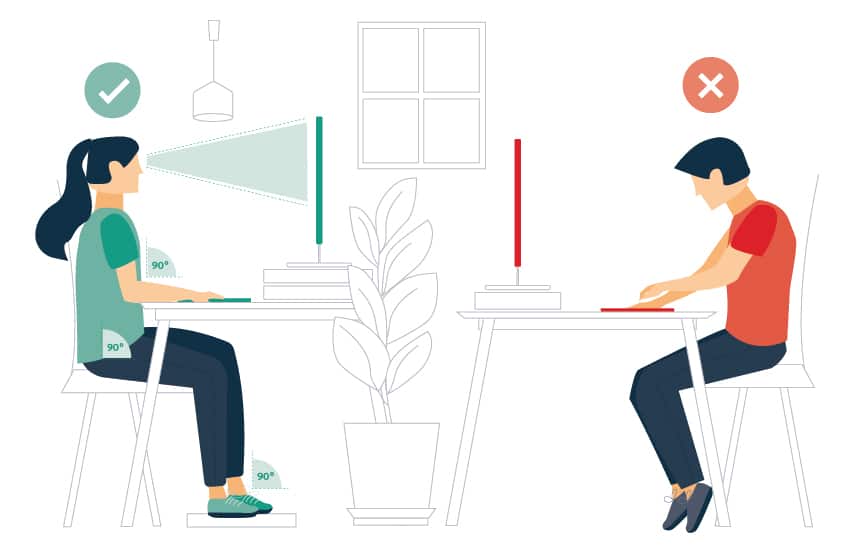
Creating a workspace that promotes good posture is essential for maintaining your musculoskeletal health. Start by assessing your current setup: is your chair adjustable? Does your desk allow for your elbows to rest comfortably at a 90-degree angle? Consider investing in ergonomic chairs that support the natural curve of your spine and provide adequate lumbar support. Additionally, an adjustable desk can help you alternate between sitting and standing, reducing the risk of strain from prolonged periods in one position.
Moreover, the tools you use daily can make a significant difference in your comfort level. Incorporate ergonomic keyboards and mice that are designed to minimize wrist strain, and consider using a monitor stand to keep your screen at eye level. These adjustments not only enhance your posture but also improve your overall productivity. Here’s a quick reference table to help you choose the right ergonomic tools:
| Tool | Benefits |
|---|---|
| Ergonomic Chair | Supports spine alignment and reduces back pain. |
| Adjustable Desk | Allows for sitting and standing, promoting movement. |
| Ergonomic Keyboard | Reduces wrist strain and encourages a natural hand position. |
| Monitor Stand | Keeps screen at eye level, preventing neck strain. |
3) Stay Hydrated: Water plays a crucial role in maintaining joint lubrication and muscle function. Aim to drink enough fluids daily to support your body’s natural processes and reduce the risk of stiffness and pain
Water is often underestimated, yet it is a fundamental component of our health, especially when it comes to maintaining joint lubrication and muscle function. Staying adequately hydrated can help prevent stiffness in your joints and alleviate muscle cramps, making daily activities much more comfortable. To ensure you’re drinking enough, consider carrying a reusable water bottle with you throughout the day. This not only serves as a reminder to hydrate but also reduces single-use plastic waste. Aim for at least 8 glasses of water daily, and increase your intake if you’re physically active or in a hot environment.
In addition to plain water, you can incorporate other fluids into your hydration routine. Here are some excellent options to consider:
- Herbal teas: Naturally caffeine-free and hydrating.
- Infused water: Add fruits like lemon, cucumber, or berries for flavor.
- Broths and soups: Great for hydration and nourishment.
To help you keep track of your daily water intake, you might find this simple hydration chart useful:
| Time of Day | Recommended Intake |
|---|---|
| Morning (upon waking) | 1 glass |
| Mid-Morning | 1 glass |
| Lunch | 1 glass |
| Afternoon | 1 glass |
| Dinner | 1 glass |
| Evening | 1 glass |
4) Practice Mindfulness: Engage in relaxation techniques such as meditation, deep breathing, or yoga. These practices not only help in managing stress but also enhance your body’s ability to cope with pain and promote overall well-being
Incorporating relaxation techniques into your daily routine can be a game-changer for managing discomfort and enhancing your overall quality of life. Meditation allows you to cultivate a sense of inner peace, helping to quiet the mind and reduce the perception of pain. By dedicating just a few minutes each day to focus on your breath or a calming mantra, you can create a mental space that fosters resilience against stressors. Deep breathing exercises are another effective method; they not only lower your heart rate but also promote oxygen flow throughout your body, which can alleviate tension and discomfort. Lastly, yoga combines physical movement with mindful awareness, offering a gentle way to stretch and strengthen your muscles while also grounding your thoughts.
To get started with these practices, consider the following simple techniques:
- Guided Meditation: Use apps or online videos to help you stay focused.
- Breathing Exercises: Try the 4-7-8 technique: inhale for 4 seconds, hold for 7, exhale for 8.
- Gentle Yoga Poses: Incorporate poses like Child’s Pose and Cat-Cow to relieve tension.
Here’s a quick comparison of these techniques:
| Technique | Benefits | Time Commitment |
|---|---|---|
| Meditation | Reduces stress, enhances focus | 5-20 minutes |
| Deep Breathing | Promotes relaxation, lowers anxiety | 2-5 minutes |
| Yoga | Improves flexibility, strengthens body | 15-30 minutes |
5) Get Quality Sleep: Prioritize restorative sleep by creating a comfortable sleep environment and establishing a bedtime routine. Quality sleep is essential for muscle recovery and can greatly reduce chronic pain levels
Creating a sanctuary for sleep can significantly enhance the quality of your restorative rest. Start by investing in a comfortable mattress and pillows that cater to your preferred sleeping position. Consider the following elements to optimize your sleep environment:
- Dim lighting: Use blackout curtains or an eye mask to block out unwanted light.
- Cool temperature: Keep your bedroom at a comfortable, cool temperature for optimal sleep.
- Noise reduction: Use earplugs or a white noise machine to minimize disruptive sounds.
- Aromatherapy: Incorporate calming scents like lavender to promote relaxation.
Establishing a consistent bedtime routine can also signal your body that it’s time to wind down. Aim to go to bed and wake up at the same time every day, even on weekends. Incorporate relaxing activities before sleep, such as:
- Reading a book: Choose something light and enjoyable to ease your mind.
- Gentle stretching or yoga: Engage in soothing movements to release tension.
- Meditation or deep breathing: Practice mindfulness to calm your thoughts.
- Limiting screen time: Reduce exposure to screens at least an hour before bed.
By prioritizing these elements, you can create a harmonious environment that fosters deep, restorative sleep, ultimately aiding in muscle recovery and alleviating chronic pain.
In Retrospect
As we wrap up our exploration of the 7 essential MSK self-care tips for a pain-free life, it’s clear that taking proactive steps towards your musculoskeletal health can lead to a more vibrant and active lifestyle. Remember, small changes can yield significant benefits, whether it’s incorporating gentle stretches into your daily routine, investing in ergonomic furniture, or simply being mindful of your posture.
Embrace these strategies as part of your journey to well-being, and don’t hesitate to seek professional guidance if needed. Your body deserves the care and attention that will keep it strong and resilient. After all, a pain-free life is not just about alleviating discomfort; it’s about enhancing your overall quality of life. So, take these tips to heart, and step forward into a future where movement is effortless and joy is abundant. Here’s to your health and happiness!







Leave a Reply
Want to join the discussion?Feel free to contribute!