
7 Essential Tips for Treating and Preventing Bursitis
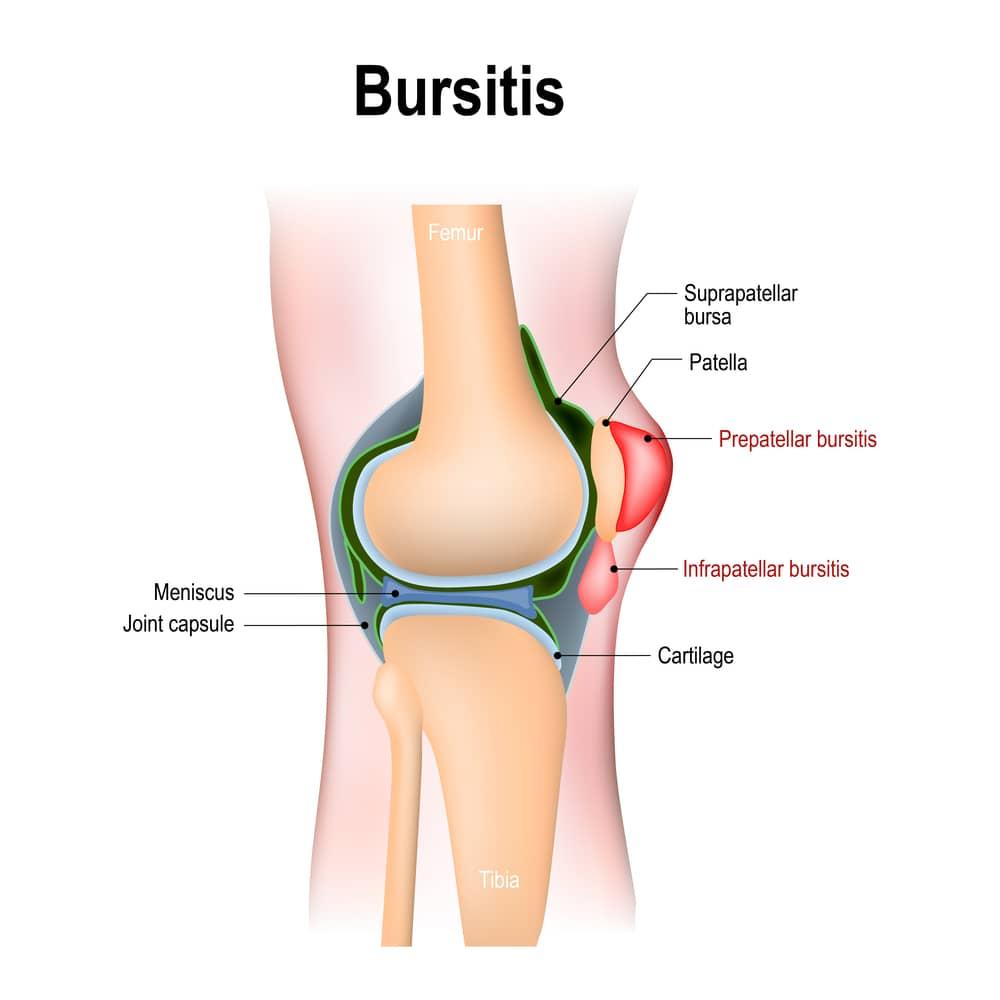
Bursitis, an inflammation of the fluid-filled sacs that cushion your joints, can turn even the simplest of movements into a painful ordeal. Whether you’re an athlete pushing your physical limits or someone simply trying to navigate daily activities, understanding how to treat and prevent this condition is crucial for maintaining an active lifestyle. In this listicle, we’ll explore 7 essential tips for treating and preventing bursitis, offering practical advice and insights that can help you manage discomfort and avoid future flare-ups. From effective home remedies to lifestyle adjustments, you’ll gain valuable knowledge that empowers you to take control of your joint health. Let’s dive in and discover how to keep those bursae happy and healthy!
1) Understand the Causes: Recognizing the common triggers of bursitis, such as repetitive motions or prolonged pressure on joints, can help you avoid activities that exacerbate the condition
Understanding the underlying causes of bursitis is crucial for effective management and prevention. The condition often arises from repetitive motions that put stress on the joints, leading to inflammation of the bursae. Common activities that may trigger bursitis include lifting heavy objects, playing sports that require repetitive arm or leg movements, and even typing for extended periods. By identifying these activities, you can take proactive measures to reduce your risk. For instance, if you notice discomfort after playing tennis, consider modifying your technique or taking more frequent breaks during practice.
Another significant factor is prolonged pressure on certain joints, which can occur in both occupational and recreational settings. Individuals who spend long hours sitting or kneeling, such as construction workers or gardeners, may be particularly susceptible. To mitigate these risks, incorporating strategies like using cushioned surfaces, adjusting your workspace ergonomically, and practicing proper posture can make a difference. Here’s a quick overview of common triggers and suggestions for avoidance:
| Common Triggers | Prevention Strategies |
|---|---|
| Repetitive motions (e.g., sports, typing) | Take regular breaks, vary tasks |
| Prolonged pressure (e.g., kneeling, sitting) | Use cushions, adjust seating |
| Improper technique in activities | Seek coaching, learn proper form |
2) Rest and Ice: Giving your affected joint a break is crucial. Applying ice packs for 15-20 minutes several times a day can reduce swelling and alleviate pain
Taking a break from activities that put strain on your affected joint is essential for recovery. By allowing your body to rest, you give your joints the opportunity to heal and reduce inflammation. It can be beneficial to modify your daily routine to include low-impact activities, such as swimming or cycling, which can keep you active without aggravating the bursitis. Listen to your body; if you feel pain, it’s a clear signal to ease up and give that joint the rest it deserves.
Incorporating ice therapy into your treatment regimen can significantly help with pain management and swelling reduction. Here are some tips for effective ice application:
- Frequency: Apply ice packs for 15-20 minutes several times a day.
- Barrier: Always place a cloth between the ice pack and your skin to prevent frostbite.
- Elevation: Elevate the affected joint while icing to enhance the anti-inflammatory effect.
Consider using a simple schedule to keep track of your icing sessions:
| Time | Activity |
|---|---|
| 8:00 AM | Ice for 20 minutes |
| 12:00 PM | Ice for 20 minutes |
| 4:00 PM | Ice for 20 minutes |
| 8:00 PM | Ice for 20 minutes |
3) Gentle Stretching and Strengthening: Incorporating gentle stretches and strength-building exercises into your routine can enhance flexibility and support the joint, reducing the likelihood of future flare-ups
Incorporating gentle stretches and strengthening exercises into your daily routine can be a game-changer for those dealing with bursitis. These activities not only enhance flexibility but also bolster the muscles surrounding your joints, providing much-needed support. Here are some effective exercises to consider:
- Hamstring Stretch: Sit on the floor with one leg extended and the other bent. Reach towards your toes, holding the stretch for 15-30 seconds.
- Quadriceps Stretch: Stand on one leg, pulling your opposite foot towards your glutes. Hold for 15-30 seconds to stretch the front of your thigh.
- Wall Push-Ups: Stand a few feet away from a wall, place your hands on it, and perform push-ups to strengthen your upper body without straining your joints.
To help you visualize your progress, consider tracking your routine with a simple table that outlines your stretching and strengthening exercises. This can keep you motivated and accountable:
| Exercise | Duration/Reps | Frequency |
|---|---|---|
| Hamstring Stretch | 15-30 seconds | 3 times a week |
| Quadriceps Stretch | 15-30 seconds | 3 times a week |
| Wall Push-Ups | 10-15 reps | 3 times a week |
By consistently integrating these gentle stretches and strengthening exercises into your routine, you can significantly reduce the risk of future flare-ups and improve your overall joint health.
4) Use Proper Ergonomics: Whether at work or home, adopting ergonomic practices can significantly minimize strain on your joints. Adjust your workspace, use supportive cushions, and maintain good posture
Adopting ergonomic practices is essential for anyone looking to reduce joint strain, especially if you’re dealing with bursitis. Start by adjusting your workspace to fit your body. This means positioning your computer screen at eye level, keeping your chair at a height that allows your feet to rest flat on the floor, and ensuring your keyboard is at a comfortable height to prevent wrist strain. Consider using an ergonomic chair that provides proper lumbar support, which can help maintain the natural curve of your spine and reduce pressure on your joints.
In addition to workspace adjustments, incorporating supportive cushions can make a significant difference. Use lumbar rolls or seat cushions designed to promote better posture. Remember to regularly check your posture throughout the day—keep your shoulders relaxed, and avoid slouching. To further enhance your ergonomic setup, consider creating a simple ergonomic checklist to ensure you’re maintaining good habits:
| Ergonomic Practice | Benefits |
|---|---|
| Adjust chair height | Reduces pressure on hips and knees |
| Use a footrest | Improves circulation in legs |
| Position monitor at eye level | Minimizes neck strain |
| Take regular breaks | Prevents stiffness and fatigue |
5) Anti-Inflammatory Medications: Over-the-counter nonsteroidal anti-inflammatory drugs (NSAIDs) can provide relief from pain and swelling. Always consult with a healthcare professional before starting any medication
When dealing with bursitis, over-the-counter nonsteroidal anti-inflammatory drugs (NSAIDs) can be a game changer. These medications help alleviate discomfort by reducing inflammation and swelling around the affected joint. Common options include:
- Ibuprofen: Often used for its anti-inflammatory properties.
- Naproxen: Known for providing longer-lasting relief.
- Aspirin: A classic choice that can also help reduce pain.
While these medications can be effective, it’s crucial to consult with a healthcare professional before starting any regimen. They can provide guidance on the appropriate dosage and potential interactions with other medications you may be taking. Additionally, understanding the right time to use NSAIDs can enhance their effectiveness. Here’s a simple table to illustrate when to consider using these medications:
| Situation | Recommended NSAID |
|---|---|
| Initial pain and swelling | Ibuprofen |
| Chronic discomfort | Naproxen |
| Occasional flare-ups | Aspirin |
6) Gradual Return to Activity: After a period of rest, gradually reintroduce activities to avoid re-injury. Listen to your body and don’t push through pain
After allowing your body the necessary time to rest and heal from bursitis, it’s crucial to ease back into your regular activities with care. Rushing back into strenuous tasks can lead to re-injury, so take a measured approach. Start with low-impact exercises that promote mobility and flexibility, such as gentle stretching or swimming. These activities can help strengthen the muscles around the affected area without putting undue stress on the bursa. Pay attention to how your body responds during and after these activities, and be prepared to adjust your routine accordingly.
As you gradually reintroduce more demanding activities, consider implementing a simple plan to track your progress and any discomfort you experience. This can include:
- Activity Type: List the specific activities you plan to reintroduce.
- Duration: Start with shorter sessions and increase gradually.
- Pain Level: Rate any discomfort on a scale of 1-10.
| Activity | Initial Duration | Pain Level (1-10) |
|---|---|---|
| Walking | 10 minutes | 2 |
| Light Cycling | 15 minutes | 3 |
| Yoga | 20 minutes | 1 |
Listening to your body is paramount; if you notice any increase in pain, it’s essential to scale back and consult with a healthcare professional if necessary. Remember, the goal is to strengthen and restore function without compromising your recovery.
7) Seek Professional Guidance: If symptoms persist, consulting a healthcare provider or physical therapist can provide tailored treatment plans and strategies for effective management and prevention of bursitis
When dealing with persistent symptoms of bursitis, it’s crucial to seek the expertise of a healthcare provider or a physical therapist. These professionals can conduct a thorough assessment of your condition, considering factors such as your medical history, lifestyle, and specific symptoms. From there, they can develop a tailored treatment plan that may include a combination of physical therapy, medication, and lifestyle modifications. This personalized approach not only targets the immediate discomfort but also addresses the underlying causes of bursitis, ensuring a comprehensive strategy for recovery.
Additionally, a healthcare provider can introduce you to various management strategies that can significantly enhance your quality of life. Options may include:
- Customized exercise regimens to strengthen surrounding muscles
- Guidance on proper ergonomics and posture to reduce strain
- Advice on activity modifications to prevent flare-ups
- Education on self-care techniques, including ice application and rest
By collaborating with a professional, you can gain valuable insights into your condition and learn how to effectively manage and prevent future episodes of bursitis.
The Conclusion
As we wrap up our exploration of bursitis management, remember that knowledge is your best ally in both treatment and prevention. By incorporating these seven essential tips into your daily routine, you can empower yourself to live more comfortably and actively. Whether it’s through gentle stretching, proper ergonomics, or seeking professional guidance, each step you take is a stride towards a healthier lifestyle.
Bursitis may pose challenges, but with the right strategies, you can reduce its impact and reclaim your mobility. So, take a moment to reflect on what you’ve learned and consider how you can implement these practices in your life. Your joints will thank you, and your future self will appreciate the proactive steps you took today. Stay informed, stay active, and here’s to a pain-free tomorrow!







Leave a Reply
Want to join the discussion?Feel free to contribute!